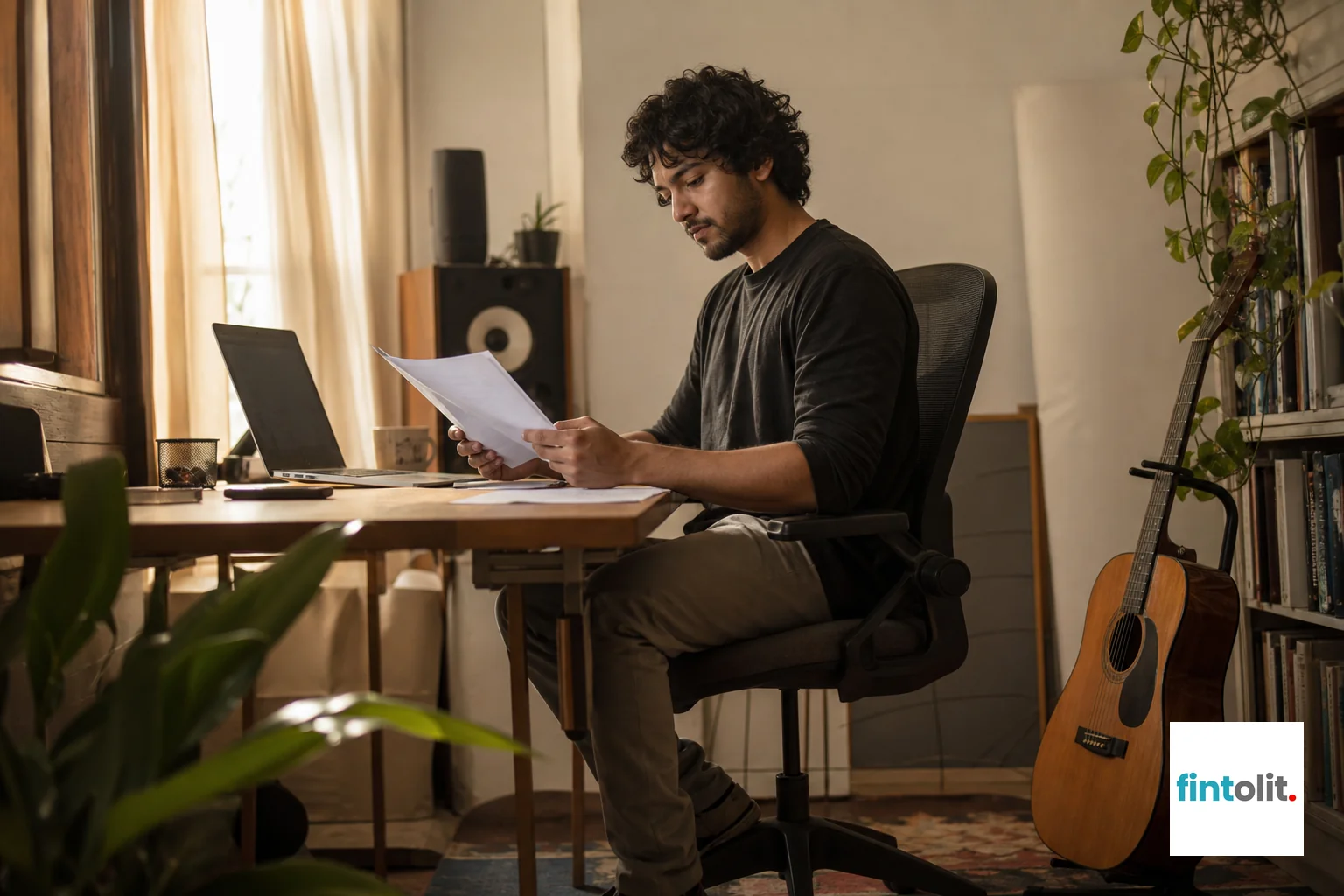

This guide breaks down the real differences, section by section, so you can decide what actually fits your situation, whether you're in South Delhi, Noida, or Gurugram.
Two Ways to Meet a Lawyer, One Confusing Decision
Until a few years ago, there was really only one option in India: find a lawyer through a relative, a Google search, or a signboard near the district court, then show up at their office. Today, online legal consultation has become a genuine alternative, letting you speak to a verified lawyer from your phone or laptop without leaving your home or office.
Neither option is automatically "better." A property title dispute involving decades-old documents might need a different approach than a straightforward workplace notice-period question. The goal of this comparison is to help you match the option to the problem, not just pick whichever sounds trendier.
What Does "Online Legal Consultation" Actually Mean?
An online legal consultation is a scheduled video or phone session with a practicing lawyer, usually lasting 30 to 60 minutes, where you explain your situation and get direct answers about your rights, risks, and next steps. On platforms built for this, like Fintolit, the process is structured rather than improvised: you describe your problem first, get matched with a lawyer who specializes in that exact area, of law, whether it's property law, family law, workplace disputes, or cyber law, and see that lawyer's name and background before you pay anything.
This model matters because one of the biggest frustrations people report is not knowing who they're about to pay until after they've committed. A verified profile shown upfront removes that guesswork. You also get a dedicated case manager who tracks your case and keeps you updated, so you're not left guessing what happened after the call ends.
Online consultation tends to work best for working professionals in Gurugram, Noida, and Delhi who simply cannot carve out a weekday afternoon for a law firm visit, and for anyone who wants to understand their situation before deciding whether it's worth escalating further. If you're unsure how the format works session to session, our guide on how to find a verified lawyer in India online walks through what to check before you book.
What Does Visiting a Law Firm Actually Involve?
A traditional law firm visit usually starts with a referral or a search, followed by a phone call to check availability, then a commute to the office. In Delhi NCR, that commute alone can eat two to three hours depending on traffic and where the firm is located relative to your home or workplace.
Once you arrive, you may wait past your scheduled time, especially if the lawyer is finishing up with a prior client or attending a hearing. The meeting itself often happens in a formal setting, which some people find reassuring and others find intimidating, particularly for sensitive matters like a family dispute or a workplace harassment complaint.
None of this makes a law firm visit a bad choice. For matters where you need to hand over thick physical files, old property documents, or verify originals in person, a face-to-face sit-down still has real value. It's the logistics around getting there that create friction, not the meeting itself.
Cost Comparison: Online Consultation vs Law Firm Visit
Cost is where the two paths diverge the most, and not always in the way people expect. Many traditional firms quote a consultation fee that sounds reasonable on the phone, then add charges for drafting, follow-up calls, photocopying, or "just five more minutes" that somehow becomes another hour.
Here's what typically factors into the real cost of a law firm visit that people forget to count:
Need a Lawyer for clarity on your case?
Travel cost and time: fuel, parking, or cab fare, plus the hours lost that could have been billable work time
Repeat visits: many matters need two or three sit-downs before you get a clear answer
Unclear billing: per-visit or hourly rates that aren't confirmed until after the meeting
Opportunity cost: a half-day of leave from work just to ask a question that might take 40 minutes to answer
Online consultation platforms that use a fixed, upfront fee remove most of that uncertainty. You know the cost before you book, there's no meter running, and the same fee typically covers the full 60-minute session with a specialist lawyer rather than a rushed 15-minute intake. If you want the full picture on what different legal services actually cost across India in 2026, our detailed legal fees cost breakdown is worth reading before you commit to either route. We've also written specifically about the how to choose the right lawyer for your case in India, which covers what questions to ask about pricing before your first session.
Convenience and Comfort: Where Each Option Wins
Convenience almost always favors online consultation. You can book a morning slot before work or an evening slot after dinner, seven days a week, without touching your leave balance. For a working professional juggling deadlines in Noida's Sector 62 or a startup founder in Gurugram's Cyber City, that flexibility is often the deciding factor.
Comfort is more nuanced. Some legal matters, especially family disputes, custody questions, or workplace harassment complaints, feel easier to discuss from a familiar space rather than a formal office where you might feel rushed or exposed. This is exactly the gap that Fintolit's "Lawyer at Home" service was built to close: instead of forcing a choice between a video call and a law firm visit, a verified senior lawyer comes to you.

You get the privacy and familiarity of your own living room, the same verified, senior lawyer you'd get online, and none of the commute or waiting-room anxiety that comes with a traditional firm. For anyone weighing sensitive matters, our post on how Lawyer at Home service works in India explains exactly how the booking and visit process unfolds.
Which Legal Matters Suit Online Consultation Best?
Some legal problems are mostly about clarity and direction, not physical paperwork. These tend to work very well over video:
Rent agreement review or drafting before you sign
Employment and workplace rights questions, like wrongful termination, notice period disputes or salary settlement issues
Cyber law matters such as online fraud, harassment, or data misuse
Contract review for freelancers or small business owners before signing a client agreement
Understanding a legal notice you've just received and figuring out how to respond
In each of these cases, you can usually share scanned documents or photos over WhatsApp or email ahead of the call, and the lawyer can review them before or during the session. If you've recently received a notice and aren't sure what your next move should be, our guide on how to respond to a legal notice without losing ground covers the exact timeline you're working with. For workplace-specific concerns, it also helps to understand your baseline rights before the call, which we cover in our piece on workplace legal rights.
Which Situations Still Call for an In-Person or Home Visit?
Some matters genuinely benefit from a physical meeting. If you're dealing with a property dispute involving old sale deeds, partition documents or multiple family members who need to be present, an in-person conversation, whether at a firm or at your home, often moves faster than trying to coordinate everyone over video.
Need a Lawyer for clarity on your case?
Family law matters involving custody or divorce sometimes feel more manageable with a lawyer physically present, especially during an emotionally difficult first conversation. Similarly, elderly clients or those less comfortable with technology may simply prefer sitting across a table from their lawyer.
This is exactly where Fintolit's model tries to give you both options under one roof rather than forcing a trade-off. You can start online to get initial clarity, then request an in-person "Lawyer at Home" session with the same lawyer if your matter needs a closer look at physical documents. For property-specific concerns in the capital, our complete guide to hiring a property lawyer in Delhi explains when document verification really needs to happen face-to-face.
Online Legal Consultation vs Visiting a Law Firm: Quick Comparison
Here's the side-by-side breakdown to keep in mind when you're deciding:
- Cost transparency: Online platforms with fixed fees tend to be clearer upfront; traditional firms often add charges as the case progresses
- Time commitment: Online sessions take under an hour with zero commute; law firm visits can consume half a day once you factor in Delhi NCR traffic
- Availability: Online consultations are often available seven days a week, including evenings; law firms usually keep standard weekday office hours
- Verification: Reputable online platforms show you the lawyer's name, experience, and specialization before you pay; walk-in firm visits rely on referrals or signage with little verification
- Comfort for sensitive matters: Home visits and online calls both offer more privacy than a formal office; in-person firm visits can feel more clinical
- Best for physical documents: In-person or home visits handle original document verification more smoothly than a video call
- Continuity: Look for a service where the same lawyer stays with your case from consultation to resolution, regardless of format, so you're not repeating your story to a new person each time
To see how different platforms across India structure this comparison, our comparison of India's online legal platforms breaks down where each one leans.
How to Decide: A Simple Checklist for Delhi NCR Residents
Rather than agonizing over which format sounds better, run through these four questions:
- Is my situation mostly about understanding my rights or next steps? If yes, online consultation is usually enough to get moving.
- Do I need to hand over or verify physical, original documents? If yes, consider an in-person or home visit.
- How urgent is this, and can I actually get a same-day slot nearby? Online consultations are often available faster than booking a firm appointment.
- Would I feel more at ease discussing this privately at home rather than in an office? If the matter is personal, a Lawyer at Home session might be the more comfortable middle ground.
A practical approach many people in Delhi, Gurugram, and Noida follow: start with an online session to get clarity and a resolution plan, then decide together with your lawyer whether an in-person meeting is genuinely needed. This avoids unnecessary travel while keeping the option open for matters that truly benefit from being face-to-face. Our post comparing asking for legal help versus hiring a lawyer in Delhi is a useful companion read if you're still unsure whether your issue needs a lawyer at all.
Frequently Asked Questions
Is online legal consultation as valid as an in-person one in India?
Yes. There is no legal requirement that consultation must happen in person for a lawyer's advice to be valid. What matters is that the lawyer is verified, licensed, and genuinely experienced in the relevant area of law. The Bar Council of India regulates lawyer conduct regardless of the format the consultation happens in, so a video or phone session with a verified lawyer carries the same professional weight as sitting across a desk.
Need a Lawyer for clarity on your case?
Can I get the same lawyer for both an online session and a later home visit?
With Fintolit, yes. The same verified lawyer who takes your first online consultation continues with your case through to closure, including an in-person "Lawyer at Home" session if your matter requires it later. This avoids the common frustration of repeating your entire story to a new lawyer every time you switch formats.
Is online consultation cheaper than visiting a law firm in Delhi?
Usually, yes, once you factor in the hidden costs of a firm visit: travel, repeat visits, and time away from work. Even where the base consultation fee is similar, online consultation tends to work out cheaper overall because it removes commute costs and reduces the chance of add-on charges appearing later. Our breakdown of legal fees in India for 2026 has a fuller cost comparison across common legal matters.
How do I verify a lawyer's credibility before an online consultation?
Look for a platform that shares the lawyer's name, years of experience, and area of specialization before you pay, not after. You can also check registration details through your State Bar Council. Avoid platforms that only reveal "a lawyer will be assigned" without giving you a name upfront.
What if my case eventually needs court representation?
A consultation, whether online or in person, is the first step to understanding your options. If your matter later needs court representation, a good legal service will guide you through that transition with the same lawyer or case manager coordinating the handoff, rather than leaving you to start over with someone new.
Choosing What's Right for You
There isn't a single winner in the online legal consultation vs visiting a law firm debate. Online consultation wins on speed, cost transparency and flexibility, especially for working professionals across Delhi, Gurugram, and Noida who can't spare a half-day for a firm visit. In-person and home visits still matter for document-heavy property disputes or sensitive family matters where being physically present brings real comfort.
The smartest move is starting with a format that removes the guesswork rather than adding to it. If you're not sure who to trust, what it will cost, or how long your matter will take, that uncertainty is worth resolving before anything else. Book your consultation with a verified, senior Fintolit lawyer today and get a clear resolution plan from someone who stays on your case from the first call to its closure, whether that happens over video or at your own kitchen table. If you'd rather talk it through first, you can also chat with us on WhatsApp and describe your situation before you book.
You're just getting to the good part.