
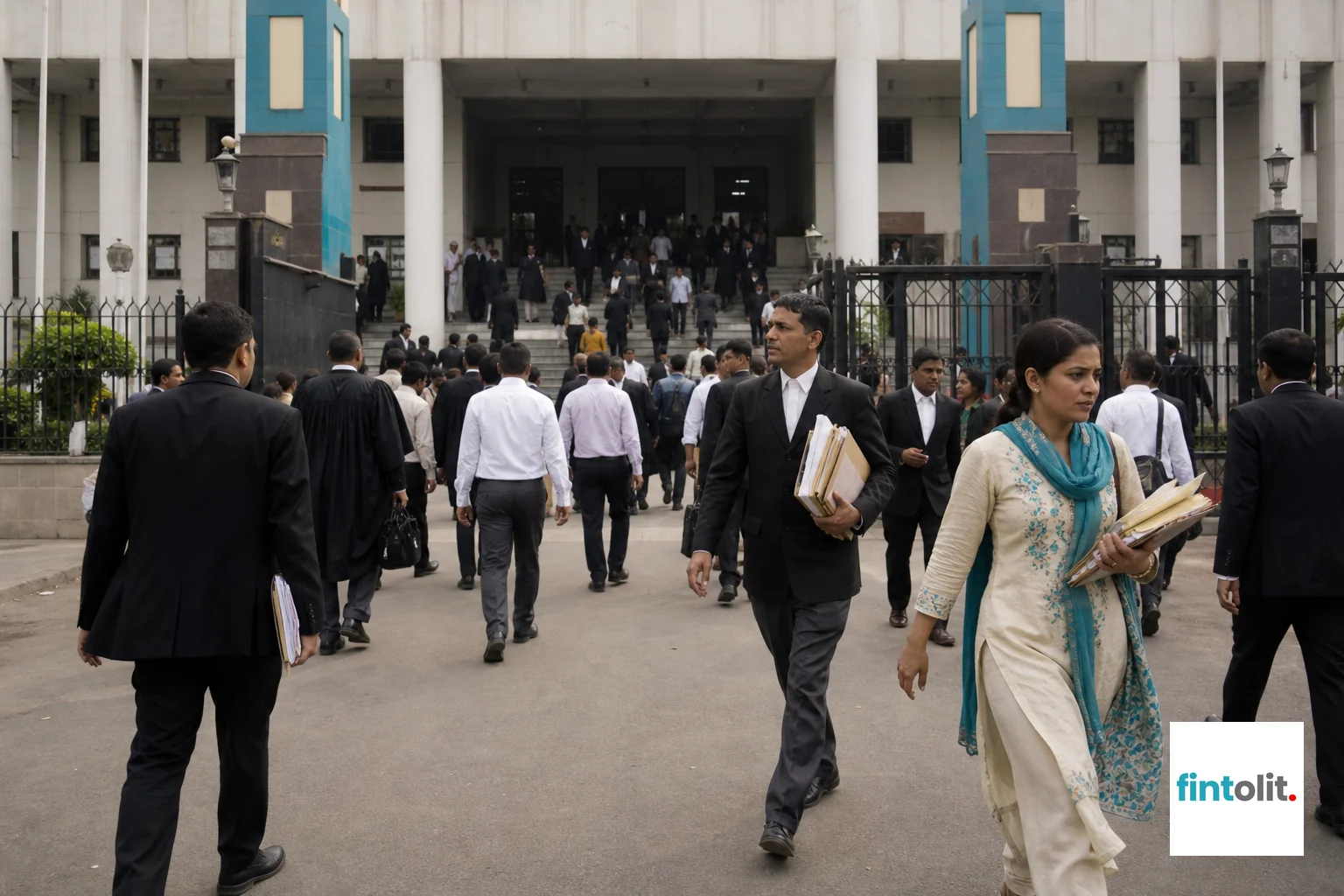
A cheque bounce case section 138 complaint filed in Delhi or Gurugram today realistically takes twelve to eighteen months to reach a decision if the accused shows up and contests it, and closer to eighteen to thirty-six months if there are delays in serving summons or repeated adjournments. Many cases end earlier through settlement, often once the accused realises the court process is real and won't stop on its own.
Key Takeaways
- Notice window is short: You have 30 days from the bank's cheque return memo to send a legal demand notice, and the accused gets 15 days to pay after receiving it.
- Filing deadline is strict: If payment doesn't come within those 15 days, you must file the complaint within 30 days of that deadline expiring, or you lose the right to proceed under Section 138.
- Most cases settle, not go to judgment: A large share of cheque bounce matters in Delhi NCR courts end through compounding or compromise before a full trial concludes.
- Court backlog is the real delay factor: Magistrate courts in Delhi, Gurugram, and Noida handle huge volumes of these cases, so hearing dates often stretch out by months.
- An appeal can add a year or more: If the accused is convicted and appeals under Section 148, they can get bail by depositing part of the fine amount, which extends your wait for actual recovery.
At a Glance: Cheque Bounce Case Section 138 Timeline
| Stage | Who Acts | Typical Duration |
|---|---|---|
| Cheque dishonour by bank | Bank issues return memo | 1-3 days |
| Legal notice to drawer | Payee (you) sends notice | Within 30 days of return memo |
| Payment window for drawer | Drawer (accused) | 15 days from notice receipt |
| Filing the complaint | Payee, via lawyer | Within 30 days after payment window lapses |
| Summons issued and served | Court | 2-6 months (often longer) |
| Trial: evidence, cross-examination | Both parties | 6-18 months |
| Judgment | Magistrate | 1-3 years from filing, case-dependent |
| Appeal, if any | Convicted party | Additional 6 months-2 years |
What Section 138 Actually Covers
Here's the simple version. Someone gives you a cheque to pay a debt, a loan repayment, rent, or business dues. The bank returns it unpaid, usually for insufficient funds or a signature mismatch. That single event, a bounced cheque backed by a genuine debt, is what a cheque bounce case section 138 is built on. It isn't about punishing someone for a mistake. It's a legal route that gives the person who didn't get paid a real shot at recovery, with the threat of criminal liability as leverage.
This matters whether you're a landlord who never got the last month's rent, a small business owner whose client's cheque bounced, or someone who lent money to a friend and got a cheque instead of cash. The law doesn't care about the size of the amount. A ₹5,000 cheque and a ₹50 lakh cheque follow the same process, though the amount often shapes how hard the other side fights.
If you're unsure whether your situation even qualifies, or whether a civil recovery suit alongside the criminal complaint makes more sense, that's exactly the kind of question worth putting to a lawyer before you draft anything. A rushed or wrongly worded notice can cost you the case before it starts.
The First 30 Days: Notice and Response Window
The clock starts the moment the bank hands you the cheque return memo. You get 30 days from that date to send a formal legal notice to the person who gave you the cheque. Miss this window and you generally can't use Section 138 for that cheque anymore.
The notice has to state the cheque number, date, amount, and a clear demand for payment within 15 days. Skip a detail like the exact bank reference or the payment deadline, and the accused's lawyer will use that gap to argue the notice was invalid. This is one of the most common reasons cheque bounce case section 138 complaints get dismissed at a preliminary stage, not because the debt wasn't real, but because the paperwork wasn't tight.
Need a Lawyer for clarity on your case?
Once the drawer receives the notice, they get exactly 15 days to pay. If they pay in full during this window, the matter closes right there, no court needed. If they don't respond, or pay partially, or ignore it entirely, you then have 30 days from the end of that 15-day window to file the criminal complaint before a magistrate.
- Keep the courier receipt and delivery proof for the notice; it's the single most contested document in these cases.
- Send the notice to the correct registered address; wrong addresses have derailed genuine claims.
- Don't wait past the 30-day filing window hoping the person "will pay eventually" — the law doesn't extend for good faith.
Why Cheque Bounce Case Section 138 Cases Drag On in Court
Filing the complaint is the easy part. What follows is where most complainants get frustrated. Delhi's district courts, along with benches in Gurugram and Noida, handle thousands of these matters every year. Getting a first hearing date can itself take a few weeks, and getting the accused actually served with summons can take months if they change addresses or simply avoid the process server.
Once summons is served, the accused enters a plea. If they contest it, which most do, the case moves into evidence. You'll need to appear, produce the cheque, the bank memo, the notice, and proof it was delivered. The accused gets a chance to cross-examine and present their own defence, sometimes claiming the cheque was given as security, not for a real debt, or that it was stolen or misused.
Adjournments are common. A lawyer on either side asking for more time, a magistrate's transfer, a court holiday calendar, any of these can push a hearing by weeks. If the accused is convicted and decides to appeal under Section 148, they can get their sentence suspended by depositing a portion, often around 20%, of the compensation amount ordered, which adds another layer of waiting before you see any money.
This is exactly the kind of drawn-out process where having someone track your hearing dates and paperwork matters. Fintolit's model of a dedicated lawyer from consultation to case closure exists for this reason: nobody wants to explain their case history to a new lawyer at every hearing over a two-year stretch.
Realistic Timeline: What Complainants Should Expect
Set your expectations based on how the accused behaves, not on best-case stories you've heard. If the drawer doesn't contest much and appears at hearings, straightforward cheque bounce case section 138 matters can close in twelve to eighteen months from filing. If they fight every step, delay summons, or file an appeal after conviction, you're realistically looking at two to four years before you see money in hand.
Location matters too. Delhi's district courts, Gurugram's, and Noida's each carry different caseloads, and a bench with fewer pending matters can move faster. This is one reason we get asked whether a consumer complaint or civil suit might resolve faster than a criminal complaint for the same money dispute; sometimes running both tracks in parallel makes sense, and a lawyer can tell you honestly whether that's worth the extra cost in your specific case.
The goal of Section 138 was never to guarantee a quick win. It was to give unpaid parties a legal weapon serious enough that most people settle rather than risk a criminal record.
Settlement Trends: Why Most Cases End Before Trial
Here's the part that surprises most first-time complainants: a large share of cheque bounce case section 138 matters never reach a final judgment. They end through compounding, a formal settlement under Section 147 of the Negotiable Instruments Act, where the accused pays up (often with interest or a small penalty) and both sides ask the court to close the case.
Need a Lawyer for clarity on your case?

Courts in Delhi and across NCR actively push for this. Once the accused realises a conviction means jail time up to two years or a fine up to twice the cheque amount, or both, most start negotiating seriously, sometimes right after the first or second hearing. This shift usually happens once the case feels real to them: summons arrived, a lawyer got involved, and the court date is on the calendar.
If your goal is getting your money back rather than seeing someone punished, keep that framing with your lawyer from day one. It changes how the notice is worded, how early settlement talks are approached, and whether you push for full payment upfront or a structured repayment plan. Recovery-focused strategy, not just "winning" the case, tends to close matters faster.
How to Improve Your Odds of a Faster Resolution
A few decisions early on shape how long your case takes and how much you actually recover.
- Get the notice right the first time. Wrong dates, wrong amounts, or missed deadlines give the accused an easy way out. A lawyer who drafts these regularly catches mistakes you wouldn't think to check.
- File within the window, no exceptions. Waiting to "give them a chance" past the 30-day filing deadline can end your case before it starts.
- Keep proof of everything. Courier tracking, delivery confirmation, bank memos, save copies of all of it from day one.
- Think about parallel recovery. A civil suit for recovery of money can run alongside the criminal complaint in some situations, giving you a second path to your funds.
- Pick a lawyer who tracks your hearings, not one you have to chase. Cases spanning years fall apart when nobody's watching the calendar between hearings.
If you're dealing with a rent dispute where a tenant's cheque bounced, the process overlaps with what we've covered in Landlord Not Returning Security Deposit? Here's Your Legal Move, since both situations involve proving a debt and pursuing recovery through the right legal channel.
Frequently Asked Questions
Can I settle a cheque bounce case section 138 after filing it in court?
Yes. Settlement can happen at almost any stage, before summons, during evidence, or even after conviction but before the appeal is decided. Courts generally welcome compounding since it clears their docket and gets the complainant paid faster than a full trial.
What happens if the accused doesn't show up in court?
The court issues fresh summons, and if they still don't appear, a bailable or non-bailable warrant can follow depending on how many times they've skipped. This has real consequences for the accused, it's not something courts ignore for long, but it does add time to your case.
Does a cheque bounce case affect the accused's future loan applications?
A conviction can show up in some background checks, particularly for loans or government jobs requiring character verification, though this isn't standardized across all lenders. It's one more reason many accused parties prefer settling quietly over letting the case run its course.
Can NRIs file a cheque bounce case section 138 remotely?
Yes, with the right power of attorney and a lawyer managing the case locally in India. NRIs across the Fintolit service area, including Delhi, Gurugram, and Noida, regularly pursue these cases from abroad with a case manager handling filings and hearing updates so they aren't tracking court dates across time zones themselves.
Is a lawyer mandatory for filing a cheque bounce complaint?
Technically no, but the drafting requirements for the notice and complaint are precise enough that most people who try it alone end up needing to refile or explain gaps in court. Getting it right the first time usually saves months.
Need a Lawyer for clarity on your case?
If you're holding a bounced cheque and wondering whether it's worth pursuing, or how long your specific situation might take given the amount and the other party's likely response, a straightforward conversation with a verified lawyer clears that up fast. Fintolit's consultation gives you a dedicated lawyer with 10+ years of experience who reviews your cheque, notice timeline, and next steps in a single 60-minute session, online or at your home across Delhi NCR. You'll know the lawyer's name and background before you pay, and the same person stays with your case through filing, hearings, and settlement talks, no re-explaining your story to someone new six months in. Book your consultation today, or if you'd rather ask a quick question first, chat with us on WhatsApp to see how Fintolit can help you move your cheque bounce case forward without the guesswork.
You're just getting to the good part.