

If you've had a landlord not returning security deposit, you're definitely not alone, this is probably one of the most common headaches tenants deal with across Delhi NCR. And honestly, it's rarely a case of the landlord simply forgetting. More often, it's some combination of a rent agreement that was never really clear to begin with, vague "deductions" that nobody can quite explain, and tenants just not knowing what legal options they actually have. In this guide, we'll break down exactly what the law says about your deposit, what you should try first before things escalate, when it's actually worth sending a legal notice, and roughly what it costs to get your hard-earned money back.
Why Landlords Withhold Security Deposits (And Why It's Rarely Legal)
Most excuses landlords give don't hold up once you look at them closely. The usual list includes "the walls need repainting," "there's wear and tear," "an appliance was damaged," or "pending electricity and water bills." Some landlords simply stop responding, hoping the tenant gives up and moves on.
Here's the distinction that matters: normal wear and tear is not damage. Paint fading over two years, minor scuff marks on a wall, or a loose tap washer are expected outcomes of living in a home. Courts across India have repeatedly held that landlords cannot deduct deposit money for ordinary usage. Deductions are only valid for actual damage beyond normal use, unpaid rent, or unpaid utility bills that the tenant was responsible for under the agreement.
In high-turnover rental markets like Delhi, Gurugram, and Noida, this problem is amplified. Landlords often rent out multiple units and use the same vague deduction language for every outgoing tenant, expecting most people won't push back. Since a large share of tenants in these cities are working professionals who moved for a job and don't have time to fight a drawn-out dispute, many landlords simply bet on tenant fatigue.
What the Law Actually Says About Security Deposits
India doesn't have one single central law that governs security deposits for every state. Instead, tenants rely on a mix of state rent laws, the Model Tenancy Act, 2021, and the terms written into the rent agreement itself.
The Model Tenancy Act, 2021, drafted by the Ministry of Housing and Urban Affairs, recommends that landlords cannot collect more than two months' rent as a security deposit for residential properties (and up to six months for commercial ones). While not every state has formally adopted this Act into binding legislation, it's increasingly used as a reference point by courts and rent authorities when a dispute lands in front of them.
In Delhi specifically, older rental arrangements may still fall under the Delhi Rent Control Act, 1958, though its applicability today is limited to lower-rent properties below a certain threshold, and most modern rent agreements in the city fall outside its scope. For the majority of tenants in Delhi, Gurugram, and Noida today, the actual binding document is the rent agreement itself, which is why what you signed matters more than most people realize.
Regardless of the state, one principle holds up across nearly every rent agreement and legal precedent: the deposit belongs to the tenant, and the landlord is expected to refund it within a reasonable timeframe after the tenant vacates, usually anywhere from a few days up to 30 days, after adjusting for any lawful deductions. A landlord who sits on the money for months without a valid, documented reason for deduction is on shaky legal ground.
Step 1: Check Your Rent Agreement Before You Do Anything Else
Before drafting any notice or making any call, go back to the rent agreement you signed. This document decides most of what happens next, so read it carefully rather than relying on memory.
Need a Lawyer for clarity on your case?
- Deposit clause: Note the exact amount paid and any conditions tied to its return.
- Deduction clause: Check if it lists specific, allowed deductions (like unpaid bills) versus vague language that could be misused.
- Notice period clause: Confirm you gave the required notice before vacating, since an improper exit can itself become the landlord's excuse.
- Refund timeline: Some agreements specify a number of days within which the deposit must be returned after move-out.
If you still have move-in and move-out photos of the property, dig them out. If you don't, and you haven't vacated yet, take timestamped photos and videos of every room now. Also collect your final electricity, water and maintenance bill receipts, along with any written communication (WhatsApp or email) confirming the landlord received the keys and inspected the property. This is the evidence that will matter if the dispute escalates.
If you're unsure whether your existing agreement even protects you properly, it's worth having a professional look it over. Reviewing the key clauses in any legal agreement before signing (or before a dispute) can save you from exactly this kind of ambiguity next time.
Step 2: Send a Formal Demand or Legal Notice
If the landlord isn't responding to calls or messages, the next step is a written demand. Many tenants send a polite WhatsApp message and stop there, assuming that's enough. It rarely is. A message on WhatsApp carries almost no legal weight compared to a formal legal notice sent by a lawyer.
A well-drafted legal notice for security deposit recovery typically includes:
- The exact deposit amount and date it was paid
- The date you vacated and handed over possession
- A clear statement that no valid deductions have been communicated in writing
- A specific deadline (commonly 15 days) for the landlord to return the money
- A warning of legal proceedings if the deadline passes without payment
A notice like this does two things at once. It puts the landlord on formal record, which matters if the case later goes to court, and it often works simply because most landlords don't want the hassle of a legal proceeding over a deposit they know they're wrongly holding. A notice sent under a verified lawyer's letterhead tends to get a faster response than any number of calls or texts ever will.
If you've ever received a legal notice yourself and wondered what happens if it's ignored, the logic runs both ways. Ignoring a legal notice rarely works out well for the person on the receiving end, which is exactly why sending one carries weight.
Step 3: Where to File a Complaint If the Notice Doesn't Work
If the 15 or 30-day deadline passes and the landlord still hasn't paid, you have a few formal routes, depending on your state and the size of the amount involved.
Rent Authority or Rent Controller
In states that have adopted a version of the Model Tenancy Act framework, a dedicated Rent Authority handles deposit and tenancy disputes faster than a regular civil court. Where this authority isn't yet functional, the traditional Rent Controller Court under older state rent laws may apply, depending on your rental value and location.
Civil Suit for Recovery of Money
Most tenants ultimately file what's called a "suit for recovery" in civil court, asking the court to order the landlord to pay back the deposit, sometimes with interest for the delay. This is the most commonly used route across Delhi NCR when informal and notice-based attempts fail.
Consumer Court, in Limited Circumstances
Whether a security deposit dispute qualifies as a "consumer" matter depends on the specific facts and how the rental arrangement is structured. It's not a guaranteed route for every tenant, and this is exactly the kind of question worth confirming with a lawyer before you file anywhere. If you're weighing this option, understanding when free legal aid is enough versus when you need paid legal support can help you decide how to proceed.
Need a Lawyer for clarity on your case?
Whichever route applies, filing anything without preparation, no notice on record, no evidence of the amount paid, no proof of move-out condition, weakens your case before it even starts. That's why Steps 1 and 2 matter so much before you get here.
What It Costs to Recover Your Security Deposit in Delhi NCR
This is usually the first question tenants ask, and fairly so. Nobody wants to spend more chasing a deposit than the deposit itself is worth.
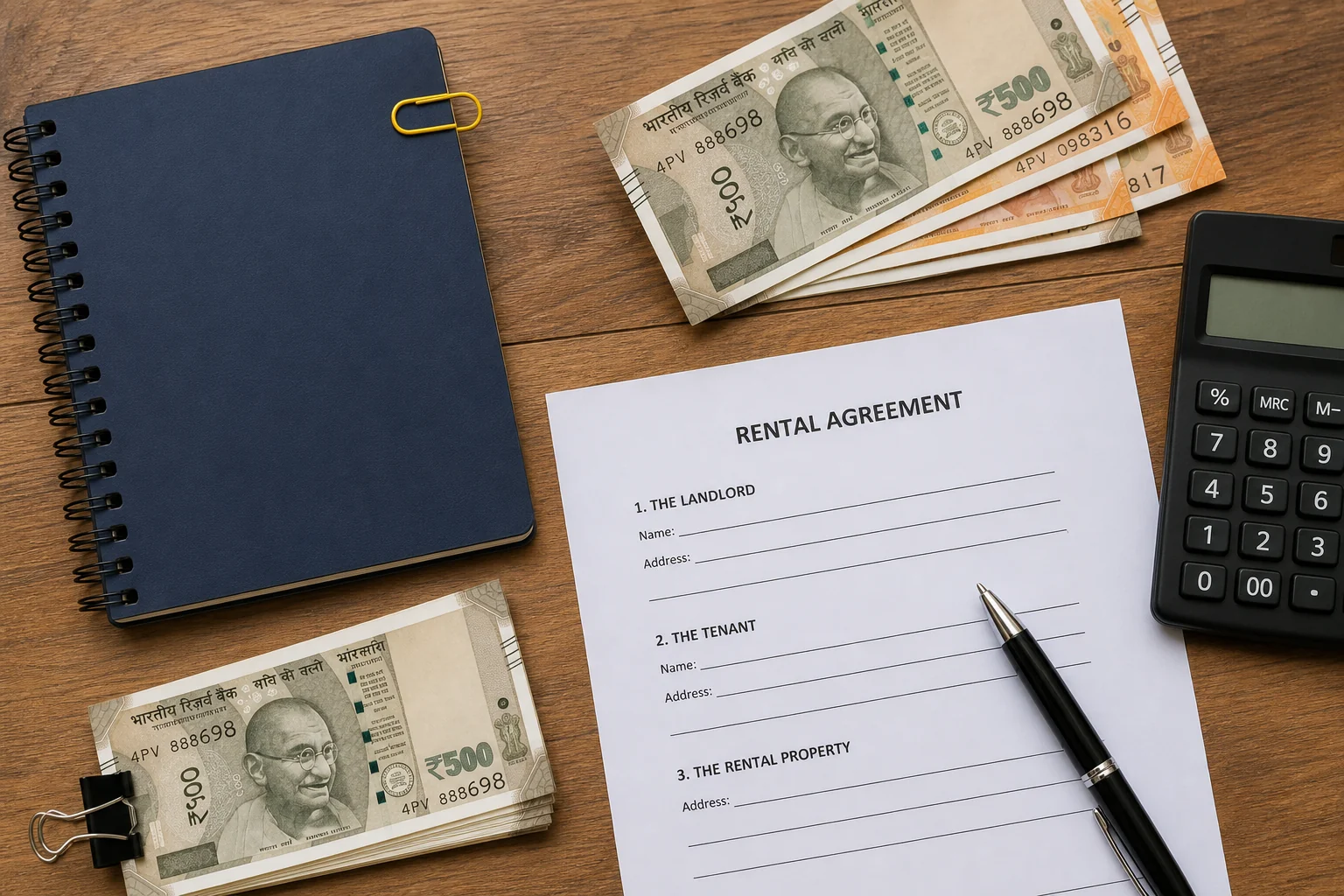
Broadly, costs break down into three tiers:
- DIY notice templates: Free or very cheap, but generic templates often miss state-specific language and rarely carry the same weight as a lawyer-issued notice. Landlords can tell the difference, and so can courts.
- Lawyer-drafted legal notice: This is usually the most cost-effective first move for a deposit dispute, since a large share of cases resolve at this stage without needing to go further. For a full sense of what documentation and notices typically cost across India, this cost breakdown of legal fees in India is a useful starting point.
- Filing and litigation: If the notice doesn't work and you need to file a recovery suit, costs rise to include court fees, filing charges, and lawyer representation over multiple hearings. This is where budget planning matters most, since litigation can stretch over months.
One useful rule of thumb: if your deposit amount is modest (say, under one month's rent) and the landlord is simply slow rather than outright refusing, a firm legal notice is often enough. If the amount is significant, or the landlord is stonewalling entirely, it's worth budgeting for a proper consultation upfront rather than losing months to back-and-forth. Many law firms bill by the hour, which makes costs unpredictable and can quietly balloon; a fixed, upfront fee model removes that guesswork so you know exactly what you're paying before you commit.
When You Should Bring In a Property Lawyer
Not every deposit dispute needs a lawyer from day one. But certain signs mean it's time to stop handling it alone:
- The landlord has gone silent for more than a few weeks with no explanation
- You're being accused of damage you didn't cause, and the landlord is threatening to deduct the full deposit
- The landlord is making counter-claims, such as unpaid rent you dispute
- The property or landlord's ownership itself is under some kind of dispute
- The deposit amount is large enough that losing it would genuinely hurt your finances
In any of these situations, a property lawyer who deals with landlord-tenant matters regularly will know exactly which forum to approach and how to word your notice to close off the landlord's usual excuses. If you're not sure how to evaluate a lawyer's experience before committing, this guide on choosing the right lawyer for your case breaks down what actually matters, credentials, specialization, and track record, over just picking the first name that shows up in a search.
For a deeper look at how property disputes typically unfold in Delhi beyond just deposits, from title issues to possession delays, this complete guide to property lawyers in Delhi is worth reading alongside this one.
How Fintolit Helps Tenants Recover Their Security Deposit
This is exactly the kind of everyday legal problem Fintolit was built to solve. Instead of guessing which lawyer to trust or worrying about hidden hourly charges piling up, you get matched with a verified property lawyer who has 10+ years of experience handling exactly this kind of landlord-tenant dispute, before you pay a single rupee.
You'll see the lawyer's name and background upfront, so you know exactly who you're speaking with. A dedicated case manager stays on your file from the first consultation through to resolution, keeping you updated without you having to chase for answers. And because it's one fixed fee, there's no fear of costs quietly growing the longer your case takes. Whether you'd rather consult online from your desk in Gurugram or have the lawyer come to you through the "Lawyer at Home" option in Delhi or Noida, the process stays the same: describe your situation, consult your verified lawyer, and walk away with a clear resolution plan, including the legal notice, if that's the right first move.
Need a Lawyer for clarity on your case?
If you're weighing whether a directory-style platform or a dedicated case manager serves you better for a dispute like this, this guide to finding a verified lawyer online in India explains the difference clearly.
Frequently Asked Questions
How long can a landlord legally hold a security deposit in Delhi?
There's no single fixed number written into law for every case, but most rent agreements specify a return window, commonly between 15 and 30 days after you vacate. If your agreement is silent on this, a reasonable timeframe is expected, and unreasonable delay without valid deductions can be legally challenged.
Can a landlord deduct money for normal wear and tear?
No. Normal wear and tear, like faded paint or minor scuffs from regular use, is not considered damage under Indian tenancy practice. Deductions are only valid for actual damage beyond ordinary use, unpaid dues, or unpaid rent, and ideally these should be documented in writing.
What if I don't have a written rent agreement?
You can still pursue a claim, but it becomes harder to prove the deposit amount and terms. Bank transfer records, UPI receipts, or messages confirming the payment can serve as supporting evidence. This is also a strong reason to always insist on a written rent agreement going forward. If you're renting again soon, get the agreement properly drafted rather than relying on a verbal understanding.
Can I file a consumer complaint for a security deposit dispute?
It depends on the specifics of your rental arrangement, and it isn't automatically available in every case. Before assuming this route applies to you, it's worth getting a quick professional read on whether your situation qualifies, since filing in the wrong forum wastes time you don't need to lose. If you'd like to understand the broader complaint process first, comparing how different online legal platforms handle consumer disputes can help you decide where to start.
What documents do I need to claim my deposit back?
At minimum, gather your rent agreement, proof of the deposit payment, move-in and move-out photos or videos, final utility bill receipts, and any written communication with the landlord about vacating the property. The stronger your paper trail, the faster a lawyer can build your notice and, if needed, your case.
A landlord sitting on your deposit is counting on you not knowing your next step. A clear legal notice, backed by proper documentation, often closes that gap faster than months of unanswered calls ever will.
You paid that deposit in good faith, and getting it back shouldn't take an act of persistence you don't have time for. If your landlord in Delhi, Gurugram, or Noida is stalling, stop waiting for a call that isn't coming. Book a consultation with a verified property lawyer, get your case reviewed by a dedicated case manager, and walk away with a clear plan to recover what's yours. Prefer to talk it through first? Chat with us on WhatsApp and describe your situation before you commit to anything. Book your consultation today and stop letting a stalling landlord decide how long this takes.
You're just getting to the good part.