
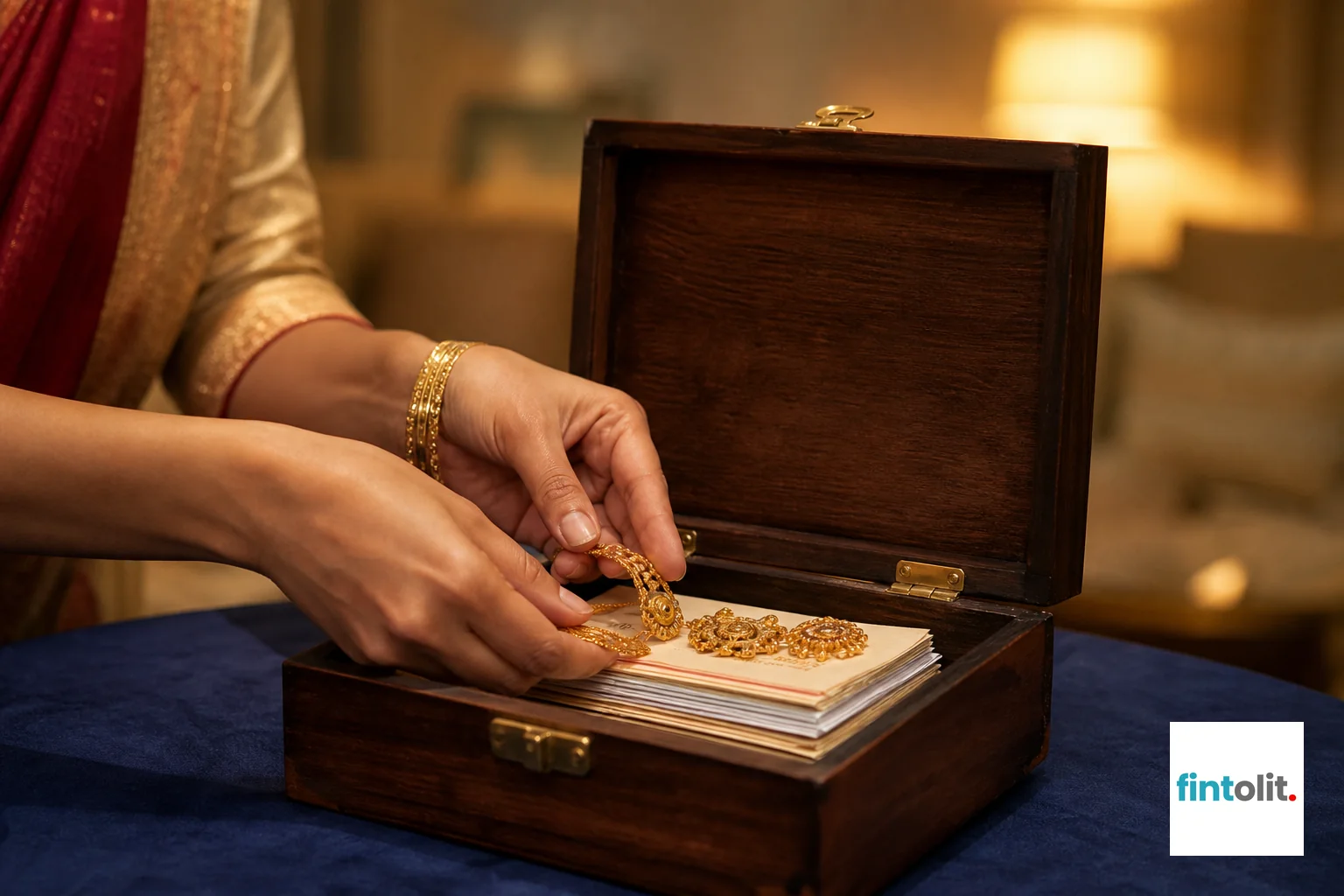
A daughter has the same right to her father's ancestral property as a son, a wife's jewelry and gifts belong to her alone even after divorce, and a widow inherits an equal share alongside her children. That is what women's property rights in India actually look like on paper, yet most families in Delhi, Gurugram, and Noida still operate on decades-old assumptions that have no basis in current law.
Key Takeaways
- Daughters are equal coparceners: Since the 2005 amendment to the Hindu Succession Act, daughters have the same birthright to ancestral property as sons, married or unmarried.
- Self-acquired property is absolute: Property a woman buys, earns, or is gifted is hers to sell, mortgage, or will away without anyone's permission.
- Marriage creates no automatic ownership: A wife does not become a co-owner of her husband's property simply by marrying him; ownership depends on whose name is on the title or who paid for it.
- Widows share equally as Class I heirs: A widow inherits alongside her husband's children and mother, and she keeps this right even if she remarries.
- Personal law changes the rules: Muslim, Christian, and Parsi women inherit under separate statutes with different formulas, so the applicable law depends on religion, not just residence.
Women's Property Rights in India at a Glance
| Property Type | Governing Law | What a Woman Is Entitled To |
|---|---|---|
| Father's ancestral property (Hindu) | Hindu Succession Act, 1956 (amended 2005) | Equal coparcenary share as sons, by birth |
| Self-acquired property (any woman) | General property law, Transfer of Property Act | Full, absolute ownership and disposal rights |
| Husband's property, no will (Hindu) | Hindu Succession Act, Class I heirs | Equal share with children and husband's mother |
| Streedhan (gifts, jewelry) | Hindu law and Domestic Violence Act, 2005 | Sole ownership, recoverable even after divorce |
| Muslim woman's inheritance | Muslim Personal Law (Shariat) Application Act, 1937 | Fixed Quranic share, typically half a son's share |
| Christian woman's inheritance | Indian Succession Act, 1925 | Share alongside spouse and children per statutory formula |
| Right to residence after separation | Protection of Women from Domestic Violence Act, 2005 | Right to live in the shared household, regardless of ownership |
Ancestral Property vs Self-Acquired Property: Why the Difference Matters
Ancestral property means property inherited up to four generations of male lineage, undivided at any point. Self-acquired property is anything a person buys, earns, or receives as a personal gift. The distinction decides who has an automatic legal claim and who needs a will to inherit.
Before 2005, sons were automatic coparceners in ancestral property while daughters were not. The Hindu Succession (Amendment) Act, 2005 changed that permanently. Daughters now have coparcenary rights by birth, exactly like sons, in ancestral Hindu property. The Supreme Court settled lingering confusion in Vineeta Sharma v. Rakesh Sharma (2020), ruling that a daughter's coparcenary right exists whether her father was alive on the date the amendment came into force or not. This single judgment closed a loophole many families had used to deny daughters their share.
Self-acquired property works differently. If a father buys a house with his own income, he can leave it to whoever he chooses through a will. Without a will, it passes under intestate succession rules, where daughters and sons inherit equally as Class I heirs. If you are unsure which category your family's property falls into, a property lawyer in Delhi can review the title chain and tell you exactly where you stand.
Daughters' Rights Under the Hindu Succession Act
Many families still believe a married daughter forfeits her claim to her parents' property. That belief has no legal support. A daughter's coparcenary right is a birthright, not a benefit tied to marital status. Marriage does not reduce, delay, or cancel it.
- Married and unmarried daughters have identical rights in ancestral property.
- A daughter can demand partition of ancestral property at any time, just like a son.
- Family pressure to "sign away" a share informally has no legal weight unless done through a registered release deed with full understanding of its effect.
- If parents die without a will, daughters inherit self-acquired property equally with sons and their mother.
Disputes over this exact issue are common across joint families in inheritance disputes among siblings, where one sibling assumes control and discourages a sister from asserting her share. If this sounds familiar, get the situation reviewed early rather than letting years pass.
Need a Lawyer for clarity on your case?
Widow's Rights to a Husband's Property
A widow is a Class I heir under the Hindu Succession Act. If her husband dies intestate (without a will), she inherits an equal share alongside her children and her husband's mother, if living. She does not need anyone's consent to claim this share, and in-laws cannot legally exclude her from it.
A widow's inheritance right also survives remarriage. The old provision that once stripped a remarried widow of her inherited share was repealed decades ago, so this is no longer a valid ground to challenge her ownership. Separately, a widow retains a right to reasonable maintenance from her deceased husband's estate, which is distinct from her inheritance share and can be claimed in addition to it.
Marital Property: What a Wife Actually Owns During Marriage
India does not follow a community-of-property system. Marriage, by itself, does not make a wife a joint owner of her husband's assets, and it does not make a husband a joint owner of hers. Ownership follows the name on the title deed or the source of funds used to buy the property.
What genuinely belongs to a wife, without question, is her streedhan: gifts, jewelry, and cash given to her before, during, or after marriage by either family. Streedhan remains her exclusive property for life. Courts have repeatedly held that a husband or in-laws have no legal claim over it, and a wife can demand its return even years after separation.
Property bought jointly, or funded partly by the wife's own income, gives her a proportionate ownership claim, provable through bank transfers, cheques, or her name on the sale deed. This is why financial documentation matters so much in marriages, and why couples buying property together should get the ownership structure documented clearly from day one, not assumed informally.
Property Rights After Divorce or Separation
India has no automatic 50-50 division of marital assets like some other countries. What a woman keeps after divorce depends on what she already owned, what is documented in her name, and what she can prove she contributed financially.
- Streedhan and any self-acquired property remain hers, unaffected by the divorce itself.
- She retains a right to residence in the shared household under the Protection of Women from Domestic Violence Act, 2005, even if the property is not in her name, until the matter is resolved through court or settlement.
- Jointly purchased property is typically divided based on financial contribution, not a fixed formula, so documentation is critical.
- Maintenance and alimony are separate from property division and are decided on income, need, and standard of living during the marriage.
Because outcomes depend heavily on documentation and negotiation, it helps to work with the same lawyer through consultation and case closure rather than explaining your situation to a new person at every stage. You can read more about why that continuity matters in why getting the same lawyer from consultation to case closure makes a real difference in outcomes.
Rights Under Other Personal Laws in India
Hindu Succession Act rules apply to Hindus, Sikhs, Jains, and Buddhists. Other communities follow separate personal laws, and the shares differ meaningfully.
- Muslim women inherit under the Muslim Personal Law (Shariat) Application Act, 1937, where a daughter typically receives half the share of a son, and a widow receives a fixed fractional share depending on whether there are children.
- Christian women inherit under the Indian Succession Act, 1925, which gives a widow one-third of the estate if there are children, and one-half if there are none, with the remainder split among children equally regardless of gender.
- Parsi women also inherit under the Indian Succession Act, with a specific formula that treats sons and daughters equally.
Because personal law determines everything, a couple's rights can differ significantly depending on their community, even if they own identical property in the same building.
Need a Lawyer for clarity on your case?
Common Misconceptions About Women's Property Rights

Bad information causes more property disputes than bad intentions. Here are the myths that come up most often in consultations.
- "Married daughters have fewer rights than unmarried ones." False. Marital status has no bearing on a daughter's coparcenary right.
- "If she doesn't claim her share immediately, she loses it." There is no automatic forfeiture, though long delays can complicate proof and should be avoided.
- "A verbal family settlement is legally binding." It is not. Property settlements need a registered deed to hold up in court.
- "Only a son can manage the family property as karta." Following a 2016 Delhi High Court ruling, an eldest daughter can also become karta of a Hindu Undivided Family.
- "A wife automatically owns half her husband's property." Ownership follows title and contribution, not marital status alone.
How to Claim or Protect Your Property Rights: Practical Steps
If you suspect your share is being denied or delayed, act methodically rather than emotionally. These steps apply whether you're in Delhi, Gurugram, Noida, or anywhere else in India.
- Get a legal heir certificate if a family member has died without a will, so your inheritance claim is officially recognized.
- Check mutation and title records at the local sub-registrar or municipal office to confirm the current recorded ownership.
- Send a formal legal notice if a relative is denying your share or refusing to cooperate with partition or mutation.
- File a partition suit in civil court if informal negotiation fails, which legally divides the property according to your entitled share.
- Get documents verified early so you're negotiating from a position of clarity, not confusion. Learn what this involves in our guide on how to verify property documents before buying.
Property disputes involving family members are emotionally difficult, and that is exactly why an outside, verified opinion helps. If you want to know who you'll be speaking with and what it costs before committing, read about why a verified lawyer profile before payment builds trust, or check legal fees in India for 2026 to understand typical costs upfront.
Frequently Asked Questions
Can a married daughter claim her father's ancestral property?
Yes. Marriage does not affect her coparcenary right. She can claim her share whether married or unmarried, and can seek partition at any time.
Does a wife get a share in her husband's property during his lifetime?
Not automatically. She has no ownership claim over his self-acquired property while he is alive unless it is jointly titled or she contributed financially. Her rights to his estate arise on his death or through a court-ordered settlement.
What happens to a woman's property if she dies without a will?
Under Hindu law, her property passes first to her children and husband, then to her husband's heirs, and only after that to her own parents, following a specific order under Section 15 of the Hindu Succession Act.
Can in-laws throw a widow out of the matrimonial home?
No. She has a legal right to reside in the shared household under the Domestic Violence Act, 2005, and this right cannot be unilaterally taken away by in-laws, regardless of whose name is on the property.
Property rights disputes rarely resolve themselves, and every month of delay can make documentation harder to trace and family relationships harder to repair. If you're facing a denied inheritance, a disputed ancestral share, or unclear rights after separation, get a straight answer instead of a guess. Book a consultation with a verified property law specialist at Fintolit and know exactly where you stand, with one dedicated lawyer and a fixed upfront fee from the first call to case closure. You can also chat with us on WhatsApp if you'd rather explain your situation first before booking, or book now to get a resolution plan for your property matter this week.
Need a Lawyer for clarity on your case?
You're just getting to the good part.