

Bail under the NDPS Act works differently than every other criminal law in India, and that difference decides whether someone waits out a trial at home or in custody. For commercial quantity cases, a judge cannot simply weigh the usual factors like flight risk or clean record. Section 37 forces the court to first believe the accused is probably innocent, and only then can bail even be considered. That single rule is why NDPS Act bail conditions India imposes are far stricter than what most families expect walking into a police station.
Key Takeaways
- Twin conditions apply only to commercial and near-commercial quantity: Small and intermediate quantity cases largely follow ordinary bail standards under the BNSS.
- The court must record two findings, not one: reasonable grounds the accused isn't guilty, and satisfaction the accused won't reoffend if released, per Section 37's twin conditions.
- Long incarceration alone doesn't get you bail: the Supreme Court has held Article 21's speedy trial guarantee does not override Section 37's threshold, as detailed by LiveLaw's coverage of the 2026 ruling.
- Procedural defects in seizure and sampling are often the strongest bail argument: a lawyer who knows NDPS procedure closely can find gaps a generalist might miss.
- Recent Supreme Court rulings keep reinforcing this stricter standard: including the 2026 Balraj Singh judgment reiterating that twin conditions are mandatory, not discretionary.
NDPS Bail at a Glance
| Case Type | Quantity Threshold | Bail Standard | Typical Timeline |
|---|---|---|---|
| Regular criminal offence (BNSS) | N/A | Presumption of innocence, standard bail factors | Days to a few weeks |
| NDPS small quantity | Below intermediate limit | Close to regular bail standard | Weeks |
| NDPS intermediate quantity | Between small and commercial | Stricter scrutiny, no automatic twin conditions | Weeks to a couple of months |
| NDPS commercial quantity | Above commercial threshold | Section 37 twin conditions mandatory | Months, often longer |
| Anticipatory bail (NDPS) | Any | Courts apply Section 37 logic even pre-arrest in commercial cases | Weeks to months |
Why Regular Bail Logic Doesn't Work Here
In most criminal cases, bail is the rule and jail is the exception. A judge looks at flight risk, evidence tampering, and whether the accused might threaten witnesses. That's it.
The NDPS Act flips this for serious drug quantities. Parliament decided that narcotics trafficking causes enough harm that the ordinary presumption gets reversed for commercial quantity. The accused has real consequences to face even before conviction, because the court starts from a position of caution rather than trust.
This matters for anyone facing an FIR under the NDPS Act, whether it's a family member caught with contraband at an airport or a business owner implicated through a supply chain. Understanding how a legal case manager keeps a family informed during a stressful arrest can make the next few weeks far less chaotic.
What Are the Section 37 Twin Conditions?
Section 37 requires a court to find two things before granting bail in a commercial quantity case: reasonable grounds to believe the accused isn't guilty, and satisfaction that the accused won't commit another offence if released. Both must be met together, not just one.
The Supreme Court reaffirmed this in 2026 when it set aside a Punjab and Haryana High Court bail order for skipping this test, as reported by LawBeat's coverage of the ruling. The message was blunt: courts don't get to skip either half of the test just because a case looks sympathetic on the surface.
Does Quantity of Drugs Actually Change Your Bail Chances?
Yes, quantity is the single biggest factor in NDPS bail. Small quantity cases follow bail rules close to any regular criminal matter, while commercial quantity triggers Section 37's stricter twin-condition test that most accused struggle to clear quickly.
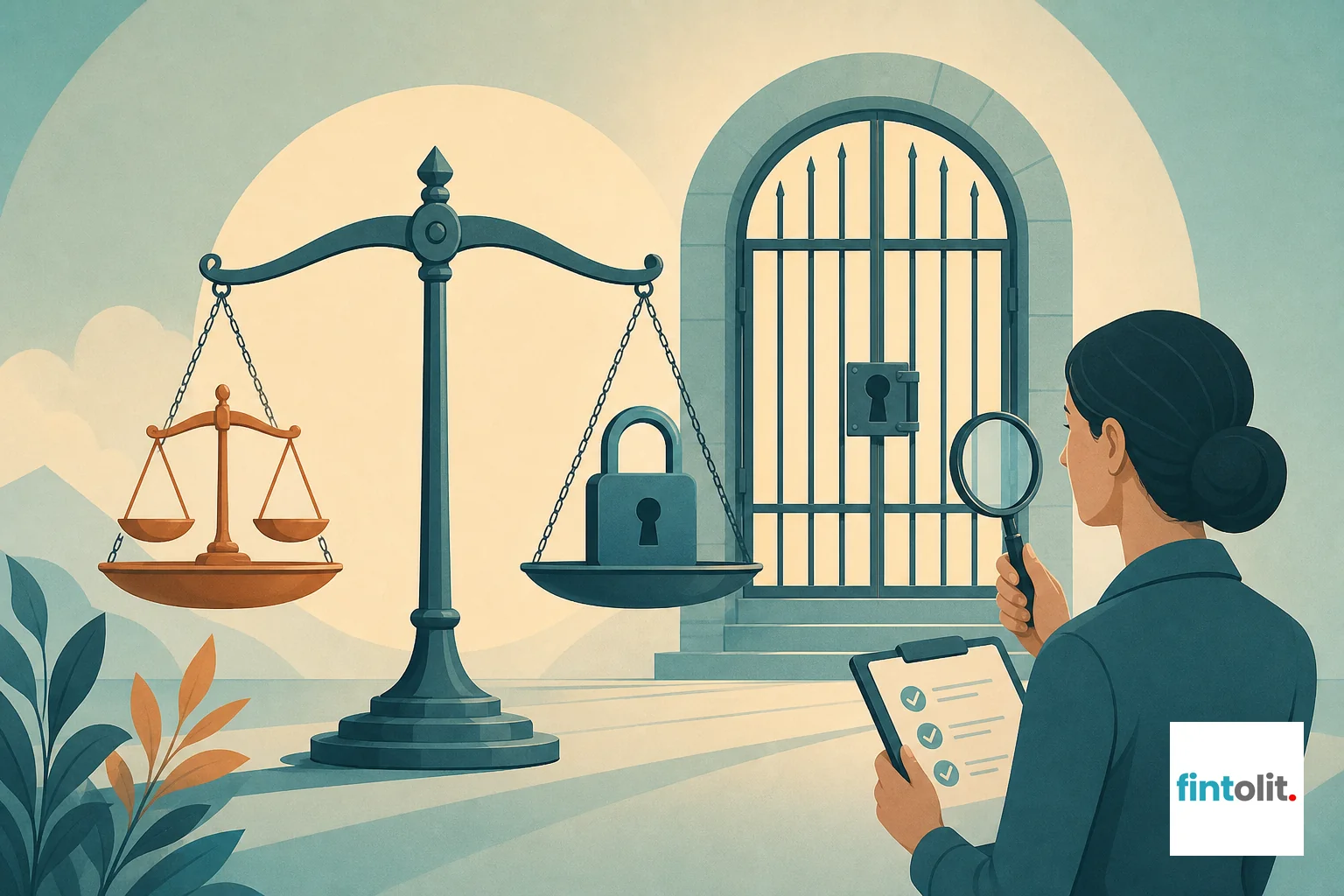
Small quantity cases rarely see the twin conditions applied at all. Courts treat them close to ordinary offences, and bail often follows within weeks.
Need a Lawyer for clarity on your case?
Intermediate quantity sits in a grey zone. Judges apply more scrutiny than a regular case, but Section 37 doesn't kick in automatically. Commercial quantity is where things get hard. In State of Punjab v. Balraj Singh @ Billa (2026 INSC 618), the Supreme Court reiterated that twin conditions are mandatory whenever the seized quantity crosses that commercial threshold, as summarised by Legal Bites. Courts have consistently declined to relax this even when the accused has been in custody for years, per this 2026 case analysis.
Can a Long Trial Delay Get You Bail Anyway?
No, not by itself. The Supreme Court has confirmed that a prolonged trial and the constitutional right to a speedy trial cannot override Section 37's twin-condition requirement in commercial quantity cases.
Defence lawyers still raise delay as a factor, and it can influence a judge's overall impression of a case. But it isn't a standalone ground anymore. Courts want the twin conditions satisfied first, delay or no delay. This is exactly where a lawyer's familiarity with recent NDPS rulings, rather than general criminal law experience, starts to matter.
Why Specialised Narcotics Experience Matters So Much
NDPS cases hinge on technical evidence: how the contraband was seized, how samples were drawn and sealed, whether the chain of custody survived intact from the field to the forensic lab. A single gap in this process, a missing independent witness, a delay in sending samples, can become the argument that satisfies the first Section 37 condition.
A generalist criminal lawyer might not spot these gaps quickly. Someone who has handled narcotics matters before knows exactly which documents to demand and which procedural steps get challenged in court. That's the difference between a bail application that goes nowhere and one that actually gets heard properly.
What Should a Family Do in the First 48 Hours?
The first two days after an arrest set the tone for everything that follows. Contact a lawyer immediately, avoid signing any statement without counsel present, and get exact copies of the arrest memo and seizure panchnama.
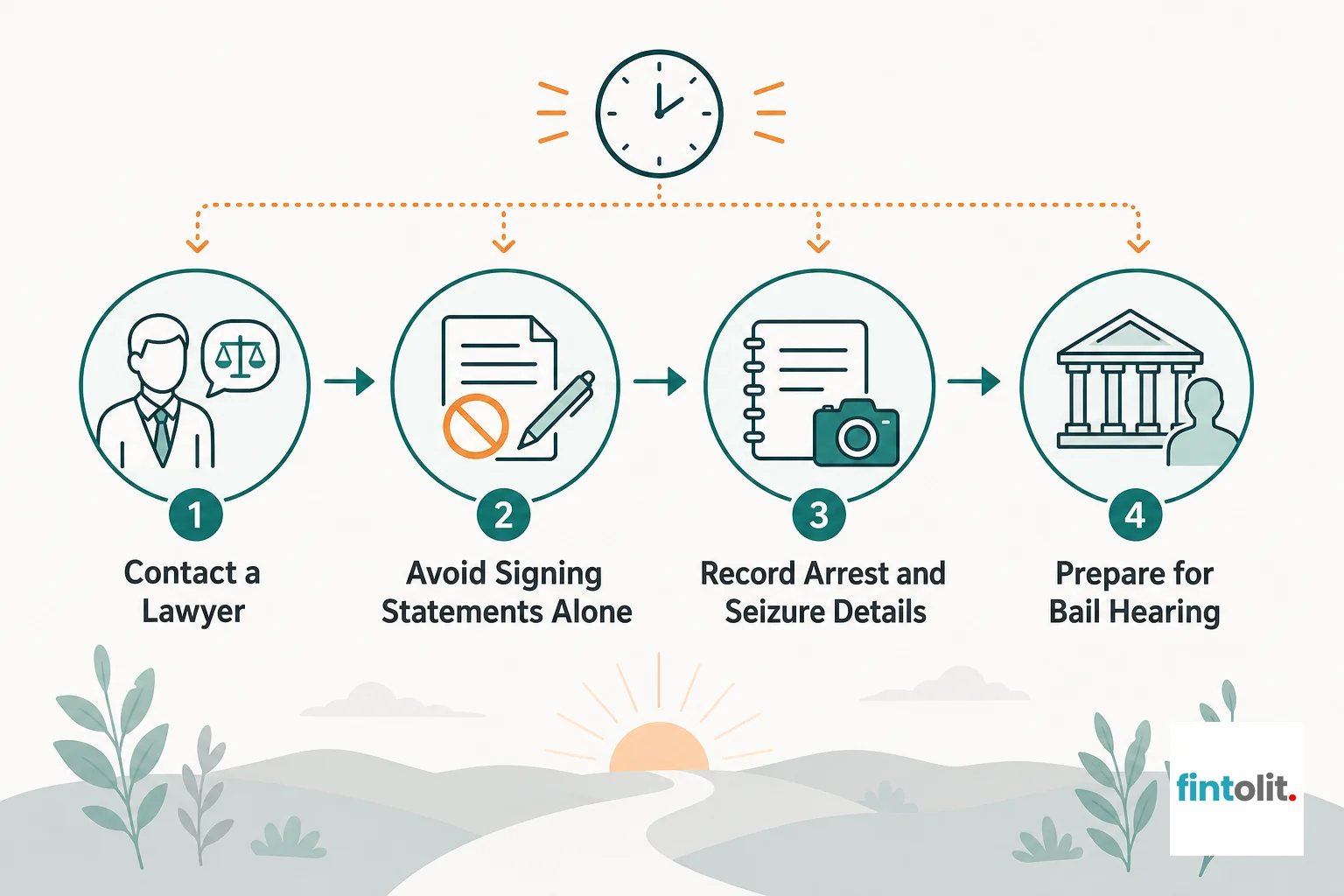
Families often feel pressure to cooperate quickly with police, sometimes signing documents without fully understanding them. Don't. Every paper signed during this window can shape the bail hearing weeks later.
Instead, focus on documentation: who was present at the seizure, what time the arrest happened, and whether the accused was informed of the grounds. These details feed directly into the twin-condition argument your lawyer will build.
How to Find a Good Lawyer for an NDPS Case in Delhi NCR
Searches for "how to find a good lawyer in India" spike whenever a family faces a serious criminal matter, and NDPS cases are exactly where that search matters most. Experience with narcotics procedure, not just general courtroom reputation, should guide the choice.

Ask a potential lawyer directly how many NDPS bail applications they've argued, and whether they've handled commercial quantity matters specifically. A lawyer who mostly does civil work or minor criminal matters may not be current on the latest Supreme Court rulings under Section 37.
Fixed, upfront pricing also matters more here than in almost any other legal situation. Families dealing with an arrest are already stressed; hourly billing on an open-ended narcotics case can spiral fast. Fintolit connects clients with verified lawyers who have 10+ years of experience, paired with a dedicated case manager who keeps the family updated through each stage, from arrest to bail hearing to trial. You can also compare the practical differences between an online consultation and a home visit when time is tight, though for arrests, speed usually wins over format.
Delhi, Gurugram, and Noida courts each move at slightly different paces on bail listings, so a lawyer familiar with the local Sessions Courts and High Court benches in the NCR region can save real time compared to someone unfamiliar with local practice.
Need a Lawyer for clarity on your case?
Frequently Asked Questions
How much does a lawyer cost for an NDPS bail case in India?
Costs vary widely depending on case complexity, court level, and whether the matter reaches the High Court. Rather than guessing, ask for a clear, fixed quote upfront before committing, since open-ended hourly billing on a narcotics matter can grow quickly.
How do I find a good lawyer for a drug case near me?
Look for verified experience specifically in narcotics matters, not general criminal practice. Check whether the lawyer can explain the Section 37 twin conditions clearly and has argued recent commercial quantity bail applications.
Is bail even possible in NDPS commercial quantity cases?
Yes, it's possible, but it requires satisfying both conditions under Section 37: reasonable grounds of innocence and assurance against reoffending. It's harder than regular bail, not impossible, and a lawyer experienced in narcotics procedure improves the odds significantly.
An NDPS arrest moves fast, and the choices made in the first 48 hours often decide how the bail hearing goes weeks later. If someone in your family is facing an NDPS case anywhere in Delhi NCR, don't wait to line up the right defence. Book a consultation with a verified criminal lawyer who has actually argued Section 37 bail applications, or chat with us on WhatsApp right now for immediate guidance on next steps.
Recommended Resources
You're just getting to the good part.