
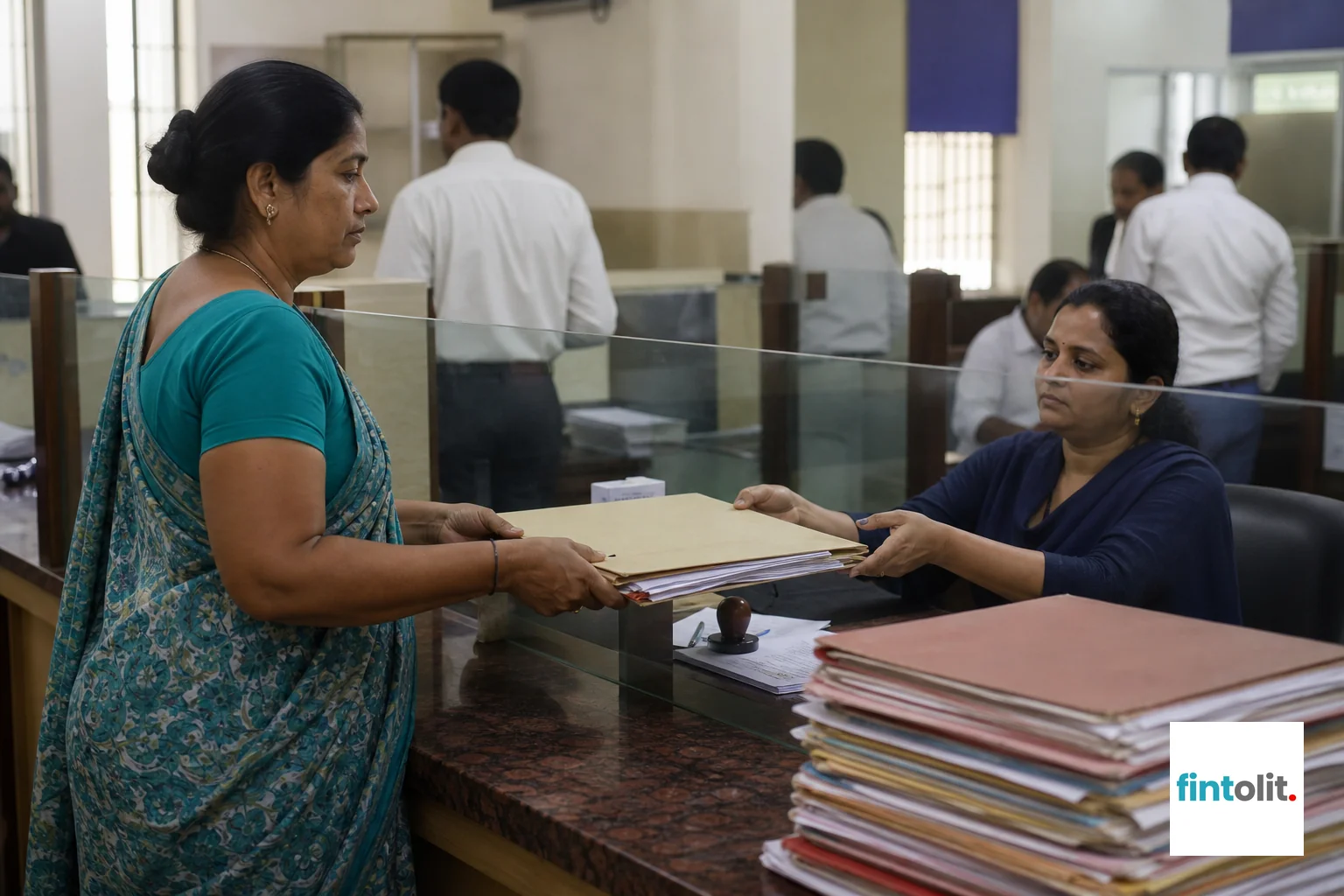
A legal heir certificate in India names the rightful successors of a deceased person so banks, pension offices, and employers know who to pay. You get one by applying to the local Tehsildar, SDM, or municipal office (or the e-district portal in states like Delhi and Uttar Pradesh) with the death certificate, ID proofs of all heirs, and an affidavit, and it usually takes 15 to 30 days.
Key Takeaways
- Right office matters: In Delhi and NCR, you apply through the Tehsildar's office or the e-district portal, not a court, unless there's a dispute.
- Timeline is 15-30 days: Straightforward, undisputed cases move fast. Family disagreements can stretch this to months.
- It has limits: A legal heir certificate works for pensions, provident fund claims, and bank accounts, but it usually won't let you sell inherited immovable property on its own.
- Succession certificate is different: That's a court-issued document needed for debts, securities, and disputed movable assets, and it costs more and takes longer.
- Disputes need a lawyer, not just paperwork: If siblings disagree or an heir is missing, the process stalls until a lawyer or court steps in.
Legal Heir Certificate at a Glance
| Aspect | Details |
|---|---|
| Issuing Authority | Tehsildar / Sub-Divisional Magistrate (SDM) / Revenue Officer / e-district portal |
| Typical Timeline | 15-30 days for undisputed applications; longer if objections are raised |
| Government Fee | Nominal, usually a few hundred rupees plus stamp paper and affidavit costs |
| Core Documents | Death certificate, ID and address proof of applicant, ration card, affidavit, family tree declaration |
| Best Used For | Pension transfer, provident fund claims, salary dues, bank account closure, insurance claims |
| Not Sufficient For | Selling inherited immovable property, contested inheritance, transfer of shares or debentures |
| Alternative Document | Succession certificate (court-issued, needed for movable assets like debts and securities) |
1. Figure Out If You Actually Need a Legal Heir Certificate
Start by asking what you're actually trying to unlock. A legal heir certificate india works well when you need to claim a deceased family member's pension, close a bank account, transfer a provident fund balance, or collect unpaid salary dues from an employer. Government departments and most banks in Delhi NCR accept it for these smaller, administrative transfers.
Where it falls short is bigger stuff. If you're trying to sell an inherited flat in Gurugram or transfer shares held in a demat account, most registrars and companies will ask for a succession certificate instead, or in some property cases, a probate of the will. Knowing this upfront saves you weeks of back-and-forth with an office that can't actually help you. If the property itself is the point of contention rather than just paperwork, read our guide on how property disputes escalate and how to handle them before you file anything.
2. Gather the Documents Before You Start
Most rejections happen because someone shows up with half a folder. Keep these ready before you go anywhere near a government office:
- Death certificate of the deceased, issued by the municipal corporation
- Identity proof (Aadhaar, voter ID, or passport) for every legal heir applying
- Address proof of the deceased and the applicant, matching the ward or zone of the Tehsildar's office
- Ration card or family register showing household composition, where applicable
- Affidavit declaring the relationship of each heir to the deceased, usually notarized
- Family tree declaration signed by two witnesses who know the family
Delhi's municipal offices and the e-district Delhi portal both ask for scanned copies in PDF format if you're applying online. In Noida and Gurugram, the process runs through the Uttar Pradesh and Haryana e-district portals respectively, and the document list is nearly identical, though local officers sometimes want an extra self-declaration form.
3. Apply at the Right Office
You have two routes: online through your state's e-district portal, or offline by walking into the local Tehsildar or SDM office. Delhi residents can apply through the Delhi e-district portal, uploading documents and tracking status without repeat visits. Noida and Ghaziabad residents use the Uttar Pradesh e-district system, while Gurugram falls under Haryana's Antyodaya-SARAL portal.
Need a Lawyer for clarity on your case?
If you'd rather not deal with portal glitches or unclear form fields, the offline route still works. Visit the Tehsildar's office covering the deceased's last registered address, fill the prescribed form, attach your documents, and pay the nominal fee. Some applicants prefer this because a clerk can flag missing documents on the spot instead of finding out three weeks later through a rejection notice.
Whichever route you pick, double-check the office jurisdiction first. Filing at the wrong Tehsildar's office is one of the most common reasons applications sit untouched for months.
4. What Happens After You Submit
Once you file, the Tehsildar or Revenue Officer typically sends a village-level or ward-level official to verify the family details. This might mean a visit to your home, a call to a local witness, or a notice posted publicly inviting objections. There's usually a 15 to 21 day waiting period built in for anyone to raise a claim or dispute.
If nobody objects and the paperwork checks out, the certificate gets issued, often within 30 days total. Disputed families are a different story. If a sibling contests who counts as an heir, or an estranged spouse surfaces, the process pauses until the disagreement is resolved, sometimes pushing the case into civil court. That's the point where paperwork alone stops being enough and you need someone who understands how family disputes affect inheritance claims to guide you through it.
5. Legal Heir Certificate vs Succession Certificate: What's the Difference
People use these two terms interchangeably, and that's where confusion creeps in. They're issued by different authorities, for different purposes, and one costs a lot more time and money than the other.
| Factor | Legal Heir Certificate | Succession Certificate |
|---|---|---|
| Issuing Authority | Tehsildar / SDM / Revenue Department | Civil Court |
| Purpose | Establishes who the legal heirs are for administrative claims | Grants authority to collect debts and securities of the deceased |
| Typical Cost | Low, mostly stamp paper and affidavit charges | Higher, includes court fee based on estate value |
| Typical Timeline | 15-30 days | 3-6 months, longer if contested |
| Used For | Pension, PF, gratuity, bank accounts, small transfers | Debts, shares, bonds, bank deposits above certain thresholds |
| Covers Immovable Property? | Not directly, needs additional documents or probate | No, immovable property transfer needs a separate process |
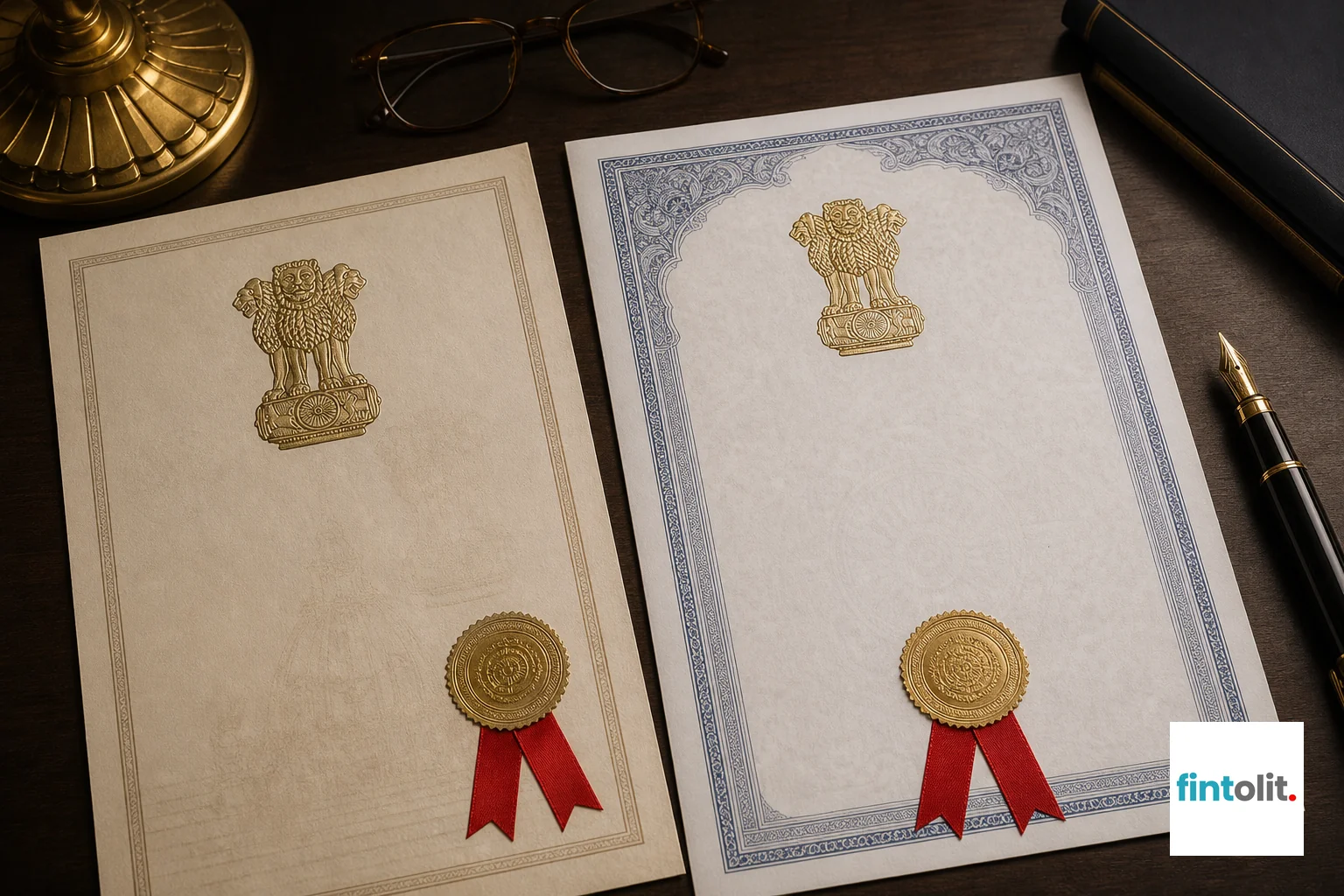
In practice, many families need both. You might use the legal heir certificate to close a bank account quickly, then apply for a succession certificate separately if the deceased held stocks, mutual funds, or an outstanding loan recovery in their name. If there's a will involved, probate adds a third layer entirely, and that's a conversation worth having with a lawyer rather than guessing.
6. Common Reasons Applications Get Rejected or Delayed
A surprising number of applications stall for avoidable reasons. Watch out for these:
- Missing heir names: Leaving out a legal heir, even unintentionally, invites objections later and can void the certificate
- Address mismatch: Applying at a Tehsildar office outside the deceased's registered jurisdiction
- No affidavit or improper notarization: Officers reject unsigned or unstamped declarations outright
- Sibling disputes: One heir contesting another's share pauses the whole file
- Incomplete death certificate details: Name spelling mismatches between the death certificate and ID proofs cause delays
Most of these are fixable before you file, not after. A quick document review with someone who's handled dozens of these cases can catch what an online checklist misses.
7. When You Should Bring in a Lawyer
If your family situation is straightforward, one spouse, known children, no property in dispute, you can likely handle the legal heir certificate application yourself with the checklist above. But bring in a lawyer the moment any of these show up: a sibling disagreement, a missing or estranged heir, property that needs to be sold or transferred, or assets held in another state.
Need a Lawyer for clarity on your case?
This is exactly where Fintolit's family law consultations help people in Delhi NCR move faster. A verified, senior family lawyer reviews your specific documents, tells you honestly whether you need a succession certificate, probate, or just the heir certificate, and stays with your case from the first consultation through to closure, no handoffs to a different lawyer halfway through. If the estate involves property that's already contested among family members, our team can also walk you through what to check before signing any related agreements tied to the inheritance.
You'll know the lawyer's name and background before you pay a rupee, and the fee is fixed upfront, no surprise charges after the first meeting. A dedicated case manager keeps you posted so you're not left calling a government office five times a week wondering about your file's status.
Frequently Asked Questions
How long does it take to get a legal heir certificate in India?
Most undisputed applications take 15 to 30 days from filing to issuance. Disputed cases or missing documents can push this to a few months.
Can a legal heir certificate be used to sell inherited property?
Usually not on its own. Registrars typically ask for additional documents, a succession certificate, or probate depending on whether there's a will and how the property is titled.
What does it cost in Delhi?
The government fee itself is nominal, generally a few hundred rupees, though notarized affidavits and stamp paper add to the total. Costs stay far lower than a succession certificate, which includes a court fee tied to the estate's value.
Who can apply for a legal heir certificate?
Any legal heir of the deceased, spouse, children, or parents, can apply. If multiple heirs exist, it's best for one to file with the consent or awareness of the others to avoid later objections.
Do I need a lawyer to apply?
Not for a simple, undisputed case. You do need one if there's a family disagreement, missing heir, out-of-state asset, or property involved, since those situations often need court intervention rather than a Tehsildar's stamp.
Getting a legal heir certificate in India shouldn't mean guessing which office to visit or discovering three weeks later that you filed the wrong form. If your family's situation has any complexity, a disputed sibling, property on the line, or assets across states, talk to a verified family lawyer before you file anything. Book a consultation with Fintolit and get a clear, upfront plan for your legal heir certificate or succession certificate, with the same lawyer guiding you from the first call to case closure. Prefer to ask questions first? Chat with us on WhatsApp and we'll help you figure out exactly which document you need.
You're just getting to the good part.