

A property is ancestral only if it passed down undivided through four generations of male lineage, from father to son to grandson to great-grandson, without ever being partitioned. Everything else you inherit or buy on your own, even from your father as a gift, is self-acquired property, and the owner can sell, gift, or will it however they choose. That single distinction decides whether your children get an automatic share by birth or have to wait for a will.
Key Takeaways
- Birthright vs inheritance: Ancestral property gives every coparcener a right by birth; self-acquired property only passes on after the owner's death or through a will.
- Daughters are equal coparceners: Since the Hindu Succession (Amendment) Act, 2005, and the Supreme Court's 2020 ruling in Vineeta Sharma vs Rakesh Sharma, daughters have the same claim as sons in ancestral property, even if the father died before 2005.
- A will can exclude a child from self-acquired property: But it cannot legally override a coparcener's share in genuine ancestral property.
- Sale rules differ sharply: A self-acquired property owner needs no one's permission to sell. Selling shared ancestral property without the other coparceners' consent can be challenged in court.
- Four-generation rule matters: Property inherited from a mother, maternal grandfather, or an uncle is not ancestral property under Hindu law, no matter how it feels within the family.
At a Glance: Ancestral vs Self-Acquired Property
| Aspect | Ancestral Property | Self-Acquired Property |
|---|---|---|
| Definition | Inherited undivided through 4 generations of male lineage | Bought, earned, or individually gifted property |
| Ownership basis | Right by birth (coparcenary) | Right by purchase, will, or individual gift |
| Sale by owner | Needs consent of other coparceners, except for legal necessity | Owner can sell or transfer freely |
| Can be willed away | No, not the coparcener's own undivided share to a stranger | Yes, fully at owner's discretion |
| Daughters' rights | Equal coparcener since 2005 amendment | Depends on will or Hindu Succession Act if no will |
| Partition | Any coparcener can demand partition anytime | No automatic partition right during owner's lifetime |
| Governing law | Hindu Succession Act, 1956 (as amended 2005), Mitakshara law | Indian Succession Act / Hindu Succession Act (intestate) |
What Counts as Ancestral Property Under Indian Law
Ancestral property is not just "anything my father gave me." It has a narrow legal meaning under Hindu law. The property must have been inherited from a direct male ancestor, going back at least four generations, and it must have stayed undivided the whole time. The moment it is partitioned, each person's share becomes their own self-acquired property.
Here is where families get confused. Property your father inherited from your grandfather is ancestral. But property your father bought with his own salary, even if he later passes it to you, is his self-acquired property, not ancestral. Property inherited from your mother, a maternal grandfather, or an aunt does not count as ancestral either, because the rule specifically traces male lineage under the traditional Mitakshara school followed across most of India.
What Counts as Self-Acquired Property
Self-acquired property covers anything a person earns, buys, or receives as an individual gift or through a will made specifically in their name. This includes a flat bought with your own savings, land purchased through a home loan, or jewellery gifted to you alone at your wedding.
The owner of self-acquired property has full control. They can sell it, mortgage it, gift it to one child and exclude another, or leave it to a charity. Nobody else has an automatic claim while the owner is alive. There is one exception worth knowing: if an owner voluntarily mixes their self-acquired property into a shared family estate, treating it as common family property (called "throwing into the common hotchpot"), it can start behaving like ancestral property for future generations.
Coparcenary Rights: Why Ancestral Property Is Different
A coparcener is a member of the family who acquires an ownership interest in ancestral property from the moment they are born, not after anyone dies. This is the core legal idea that makes ancestral property fundamentally different. Sons have held this status for generations under Mitakshara law.
Need a Lawyer for clarity on your case?
The Hindu Succession (Amendment) Act, 2005 extended coparcener status to daughters, giving them equal rights in ancestral property as sons, by birth. For years, courts disagreed on whether this applied only if the father was alive on the amendment date. The Supreme Court settled the confusion in its landmark 2020 judgment, Vineeta Sharma vs Rakesh Sharma, ruling that a daughter becomes a coparcener by birth regardless of whether her father was alive in 2005. This single ruling has reshaped thousands of pending property disputes across the country.
Daughters' Rights: Ancestral vs Self-Acquired
This is where the two categories diverge sharply, and where families most often go wrong. In ancestral property, a daughter's share cannot be denied, reduced, or written out through a will. Her right exists by birth, exactly like her brother's.
In self-acquired property, it is a different story. The owner is free to leave it entirely to one child, or to someone outside the family, through a valid will. If a father dies without a will (intestate), then the Hindu Succession Act steps in, and sons and daughters inherit equally as Class I heirs, along with the widow. But while the father is alive and has made a will, he can legally exclude a daughter, or a son, from his own self-acquired property. Understanding what clauses to check before signing a family settlement or gift deed can prevent a lot of regret later.
Partition Rules for Ancestral Property
Because every coparcener has a right by birth, any one of them, son or daughter, can demand a partition of ancestral property at any time, even while the head of the family is still alive. This is very different from self-acquired property, where nobody can force a division while the owner is alive and unwilling to sell or divide.
A partition usually starts with a legal notice demanding a share, followed by attempts at family settlement or mediation. If that fails, it moves to a formal partition suit in civil court, which results in a decree dividing the property by metes and bounds or ordering a sale with proceeds split. This process can take months, sometimes years, especially where property records are unclear or contested. If you are facing a family disagreement like this in Delhi, Gurugram, or Noida, reading through a guide on property dispute resolution in Delhi is a good starting point before things escalate.
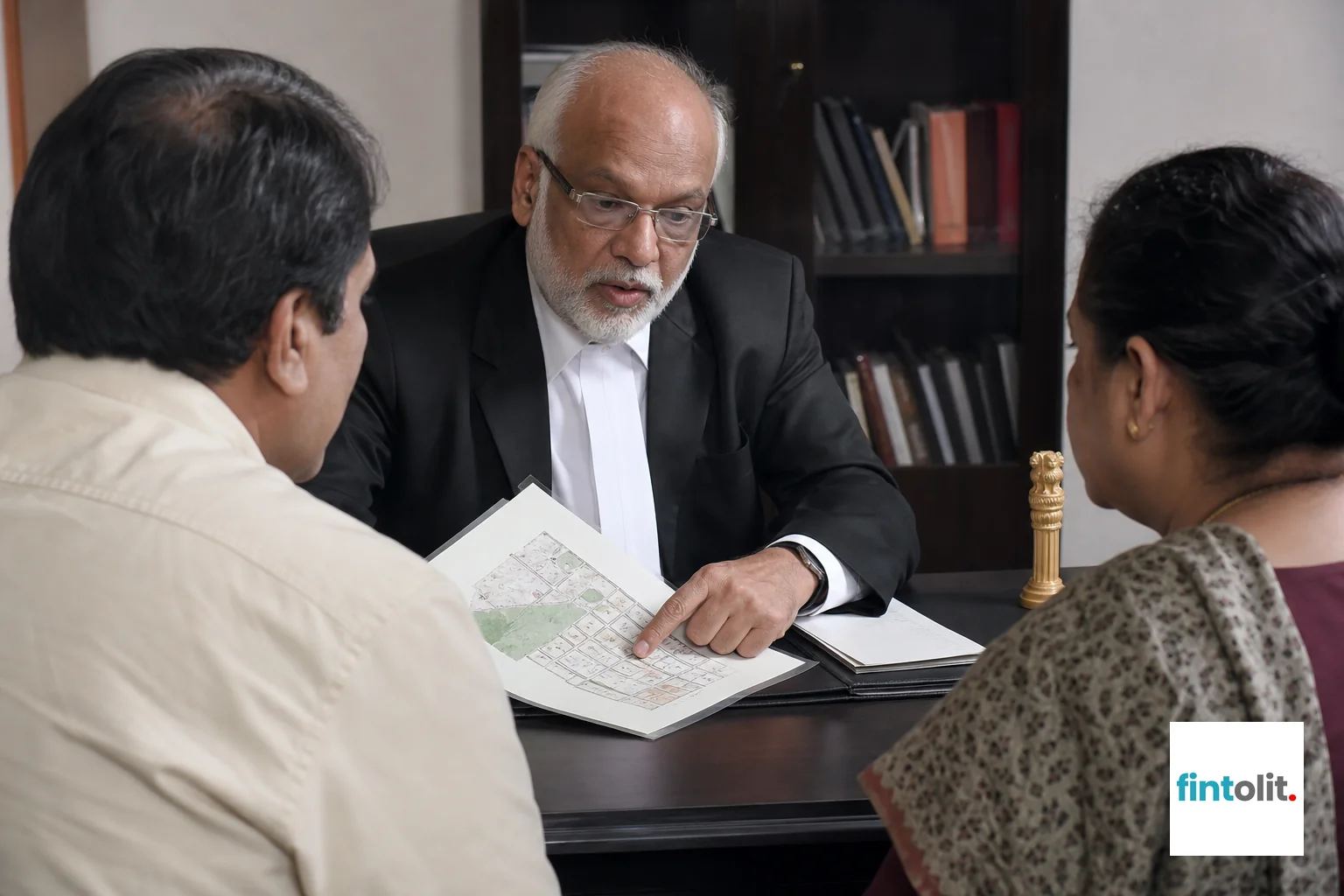
Transfer and Sale Rules Compared
Selling self-acquired property is simple in legal terms. The owner signs the sale deed, gets it registered, and the transaction is complete. No consent from children or relatives is legally required, though it is always wise to keep family communication open.
Selling ancestral property is more complicated. If the property is still undivided, one coparcener generally cannot sell the whole property, or even their theoretical share, without the consent of the others, except in cases of "legal necessity" such as paying off a genuine family debt or funding an essential family expense. Buyers should always verify whether a property being sold is ancestral or self-acquired before paying a rupee, since a sale made without proper consent can later be challenged and reversed in court. Before any transaction, it helps to understand how to choose the right lawyer for a property case so the verification is done properly the first time.
Common Misconceptions People Have
- "Anything from my father is ancestral": Wrong. If he bought it or earned it himself, it is his self-acquired property, even if it feels like a family asset.
- "Daughters lose rights after marriage": Wrong. Marriage does not affect a daughter's coparcenary right in ancestral property.
- "A will can override everything": Wrong for genuine ancestral property. A father cannot will away a coparcener's own birthright share; he can only deal freely with his own undivided interest and his self-acquired assets.
- "Property from my mother's side is ancestral too": Wrong. Under the traditional rule, ancestral property traces male lineage; property from the maternal side is treated as self-acquired or inherited property for the recipient.
How to Protect Your Rights: Practical Steps
Start by mapping the property's history: who bought it, who inherited it, and whether it was ever formally divided. This single step often resolves half the confusion in a family. Where a family member has passed away, you may also need a legal heir certificate to establish your inheritance claim officially.
Need a Lawyer for clarity on your case?
Before signing any family settlement, release deed, or gift deed, have a property lawyer review it line by line. These documents are often drafted casually within families and can unknowingly waive away rights that would otherwise protect you or your children for decades. If a dispute is already brewing, a proper resolution plan, not a WhatsApp argument, is what actually moves things forward.
Frequently Asked Questions
Is property inherited from a grandfather always ancestral?
Only if it passed down undivided through the male line for four generations. If your grandfather bought it himself and passed it to your father as a personal gift or will, it is technically self-acquired in your father's hands.
Can a father sell ancestral property without his children's consent?
Generally no, unless the sale is for a genuine legal necessity like clearing a family debt. Coparceners can challenge an unauthorized sale in court.
Do married daughters get a share in ancestral property?
Yes. Marital status has no bearing on a daughter's coparcenary right, confirmed by the Supreme Court in Vineeta Sharma vs Rakesh Sharma (2020).
What happens if there is no will for self-acquired property?
It is distributed according to the Hindu Succession Act's intestate succession rules, where the widow, sons, and daughters as Class I heirs typically share equally.
Property disputes rarely resolve themselves, and waiting only makes documentation harder to trace and emotions harder to manage. If you are unsure whether your family's property is ancestral or self-acquired, or you are facing a partition dispute anywhere in Delhi NCR, Gurugram, or Noida, book a consultation with a verified property lawyer through Fintolit and get a clear resolution plan instead of guesswork. You will know exactly who you are speaking to, what it costs upfront, and the same lawyer stays with your case from the first conversation to closure, a model explained in more detail in why the same lawyer sees your case through. Prefer to talk it through first? Chat with us on WhatsApp or book your consultation today and stop the confusion before it turns into a costly family dispute.
You're just getting to the good part.