

If a lawyer avoids giving you a number, changes their name mid-case, or piles on vague "miscellaneous charges," you're likely about to be overcharged. These 5 signs your lawyer is overcharging you almost always show up before you sign anything, not after, which means you can catch them in the first phone call.
Key Takeaways
- No upfront number is the biggest red flag: A lawyer who says "we'll discuss fees after we meet" is leaving room to price you based on how desperate you sound.
- Ask who exactly will handle your case: If nobody shares a name and background before payment, you may get a junior associate instead of the senior lawyer you were pitched.
- Watch the fee jump the moment you mention numbers: If quoting your property value or dispute size changes the price, that's anchoring, not a real cost calculation.
- Get everything in writing: A verbal promise about scope and price is worth nothing in a dispute six months later.
- Fixed, upfront pricing beats hourly billing: It removes the guesswork and stops "court fees" and add-ons from stacking up quietly.
At a Glance: Red Flags vs What Trustworthy Pricing Looks Like
| Warning Sign | What It Usually Means | What Trustworthy Practice Looks Like |
|---|---|---|
| No fee quote before the first meeting | Price may depend on how much you seem willing to pay | Fixed consultation fee stated before you book |
| No name/background shared | Case could be handed to a junior without your knowledge | Verified lawyer profile shared before payment |
| Fee changes after you share case details | Anchoring tactic, testing your budget | Fee stays fixed regardless of case value once scope is clear |
| Vague "miscellaneous charges" | Room for add-ons stacked later | Written, itemized breakdown of every charge |
| Only verbal promises | No proof of agreed scope if a dispute arises | Written confirmation of fee and scope by email or message |
| Same lawyer throughout the case | Continuity keeps costs predictable | Dedicated case manager plus one lawyer from start to close |
1. The Lawyer Won't Give You a Number Until After the First Meeting
Ask for a fee estimate before you book a slot. If the answer is "let's talk once we understand your case better," that's not always dishonest, but it's often a way to size up your budget first. A lawyer pricing your family dispute or property matter based on your tone, your locality, or how anxious you sound is not pricing based on the actual legal work.
Genuine complexity does affect cost. A contested divorce takes more hours than a straightforward will. But complexity should change the scope, not turn into an open-ended number that only appears after you've already shared your problem in detail.
Ask directly: "What is your consultation fee, and does it change based on what I tell you?" A lawyer with nothing to hide answers that in one sentence. You can compare typical ranges in this complete legal fees breakdown for India in 2026 before you even pick up the phone.
2. Nobody Tells You Who Is Actually Handling Your Case
You spoke to a senior-sounding voice on the phone, paid, and then a completely different, junior lawyer showed up for your case. This switch is one of the oldest tricks in the legal services business, and it's also one of the easiest to check for.

Before you pay anything, you should get a name, years of practice, and area of specialization. Verified profiles let you check bar registration and past case types. If a firm won't share this before payment, assume the person handling your case might not be the person who sold it to you.
This matters more for property and inheritance disputes, where a single missed clause can cost lakhs. Read about common documentation traps in why legal documentation costs differ so widely in India.
Need a Lawyer for clarity on your case?
How Do I Know If Legal Advice Is Trustworthy?
Trustworthy legal advice comes with a named lawyer, a stated fee before you pay, and a written summary of what was discussed. If a consultation ends with none of these three, treat the advice as unverified, no matter how confident it sounded.
3. The Fee Structure Changes Once You Bring Up a Detail
Watch what happens the moment you mention a specific number, your flat's sale value, your monthly salary, or the amount in dispute. If the quoted fee suddenly climbs right after you share that figure, the lawyer isn't pricing the legal work. They're pricing you.
A fair fee structure is tied to the type of matter and the hours it genuinely takes, not to how much money is at stake for you. Two clients with identical property disputes shouldn't pay wildly different consultation fees just because one owns a bigger flat.
This is a common pattern in property dispute cases in Delhi, where valuation numbers come up early and get used against the client's own interest.
4. "Court Fees" and "Miscellaneous Charges" Are Never Itemized
Ask for a written breakdown and watch how the lawyer reacts. A real breakdown separates the consultation fee, drafting charges, court filing costs, and any travel or documentation expenses into clear lines.
If instead you get a single lump figure with "miscellaneous" tucked in, that line item is where hidden costs of hiring a lawyer in India usually live. It can grow at every stage of the case without you ever agreeing to it explicitly.
A fee you can't itemize is a fee you can't budget for, and a case you can't afford to finish.
Fixed, all-inclusive pricing removes this problem entirely, because the number you're told upfront is the number you pay.
5. There's No Written Confirmation, Just a Verbal Promise
Did the lawyer send you an email, message, or agreement confirming the fee, the scope of work, and the timeline? If all you have is a memory of a phone call, you have nothing to point to if the fee changes later.
Written confirmation protects both sides. It stops the lawyer from quietly padding charges, and it stops you from misremembering what was agreed. Before you hire anyone, ask what clauses to check before signing any legal agreement, including your own engagement letter with the lawyer.
What Is a Fair Lawyer Consultation Fee in Delhi NCR?
A fair lawyer consultation fee in Delhi NCR is a single, fixed amount stated before the call, covering a full session with a senior specialist, not a per-minute meter that runs regardless of what gets resolved. Anything billed by the minute or "starting from" a low number invites overcharging later.
Fixed pricing works because it forces the lawyer to plan the session properly instead of stretching it. It also lets you compare quotes across providers honestly, since you're comparing one number to another, not one estimate to another guess. For a wider view of how consultation costs compare in the city, see this guide to family lawyer consultations in Delhi.
How to Check a Lawyer's Fees and Credentials Before You Hire
Check a lawyer's fees and credentials by asking for their bar enrollment number, years of active practice, and a written fee quote, all before you pay anything. If any of these three is missing or vague, treat that as a reason to keep looking rather than proceed.
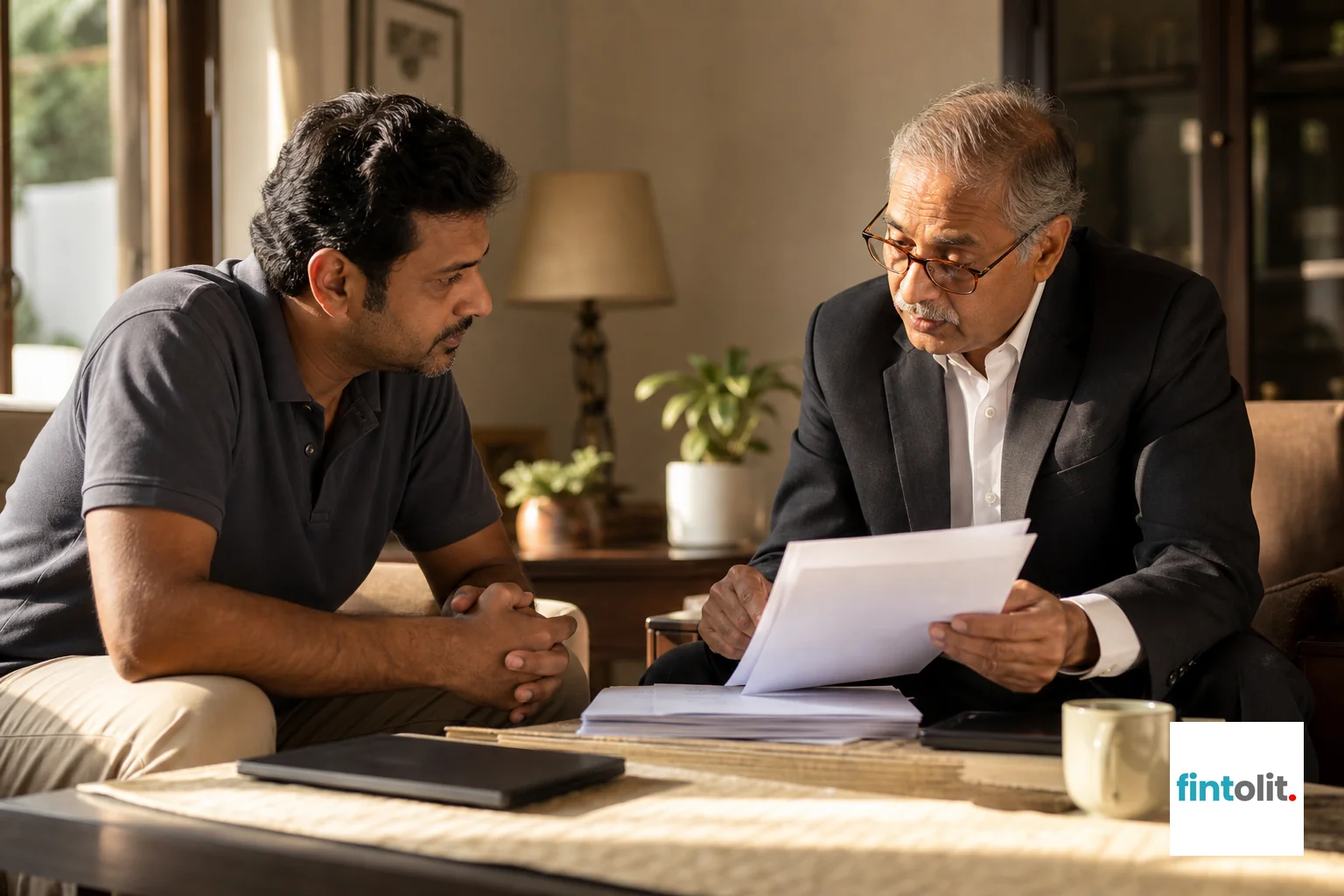
Here's a short list of questions worth asking on the very first call:
- What is your total consultation fee, and is it fixed or hourly?
- Who exactly will handle my case from start to finish?
- How many years have you practiced in this specific area of law?
- Can you send the fee and scope in writing before I pay?
- Are there any additional charges beyond the consultation fee?
This is the same standard Fintolit applies to its own panel: a verified lawyer with 10+ years of experience is shared with the client, by name and background, before any payment is made. Every consultation runs on a fixed, upfront fee with a dedicated case manager tracking progress from start to close, so the same lawyer who takes the first call is the one who sees the case through.
Need a Lawyer for clarity on your case?
If you're weighing whether to consult online or visit an office in person, especially across Delhi, Gurugram, or Noida, this complete guide to online legal consultation in Delhi lays out what to expect either way.
FAQs
What Is a Lawyer Panel?
A lawyer panel is a curated group of vetted, practicing lawyers that a legal platform lists so clients can pick a specialist by domain instead of searching blindly. A good panel shows each lawyer's experience and specialization before you ever book a session.
Paid Lawyer vs Free Legal Advice: Which Protects You From Overcharging?
A paid lawyer with fixed, upfront pricing protects you from overcharging better than free advice, because free consultations often lead into an unclear, negotiated fee once your case looks serious. Paying a known amount for a proper session avoids that bait-and-switch entirely.
What Questions Should I Ask a Lawyer Before Hiring in India?
Ask about the total fee, who handles your case, their years of experience in that specific law area, and whether the fee and scope will be confirmed in writing. These four questions expose most overcharging tactics within a single conversation.
You don't have to guess whether a fee is fair or a lawyer is who they claim to be. Book your consultation with a verified senior lawyer on Fintolit, see their name and background before you pay, and get a fixed fee with no surprise charges later. Prefer to ask questions first? Chat with us on WhatsApp and we'll walk you through exactly what your case will cost before you commit to anyone.
You're just getting to the good part.