
Can NRI Attend India Court Hearing Online? A Fintolit Case Manager Explains
Yes, an NRI can attend an India court hearing online in most civil, family and property matters, thanks to video conferencing rules courts across the country now follow. The bigger question isn't whether it's allowed. It's whether your specific case type qualifies, and whether you're set up to do it right.
Key Takeaways
- Most civil, family and property cases allow video hearings: Courts in Delhi, Gurugram and Noida routinely permit NRIs to appear via video link for these matters.
- Criminal trials are stricter: Serious criminal proceedings, especially cross-examination and framing of charges, often still need physical presence.
- Property registration is a separate step: Even if you attend hearings online, registering a sale deed usually still needs a Power of Attorney or a personal visit.
- Preparation decides the outcome: A missed timezone, a bad internet connection, or missing documents can derail an otherwise valid hearing.
- A case manager closes the gap: Someone coordinating your documents, scheduling and lawyer briefings from the Indian side makes remote litigation actually workable.
At a Glance: NRI Virtual Hearing Facts
| Aspect | Typical Position for NRIs |
|---|---|
| Civil suits (property, contract, recovery) | Video conferencing generally permitted |
| Family court matters (divorce, maintenance) | Video conferencing allowed in most stages |
| Criminal trial (cross-examination, framing of charges) | Physical presence often required |
| Property registration/sale deed execution | Needs Power of Attorney or personal visit |
| Technology used | Court-approved VC platforms via e-Committee guidelines |
| Who arranges the link | Your lawyer or court registry, on application |
| What you need on hand | Valid ID, case papers, stable internet, quiet room |
Which Indian Court Cases Allow Video Hearings for NRIs?
Video hearings work best for civil disputes, family law matters and most property cases, because these hearings rely mostly on document review and legal argument rather than physical evidence handling. High Courts across India, guided by the Supreme Court's e-Committee video conferencing rules, now treat remote appearance as a standard option, not an exception, for parties who genuinely cannot travel.
If you're an NRI dealing with an inheritance dispute or property fight, your lawyer files an application asking the court to permit your appearance by video. Judges usually grant this readily when the party lives abroad and travel is impractical. Family court hearings, including maintenance and mutual divorce matters, follow a similar pattern.
How Does an NRI Actually Join a Court Hearing Online?
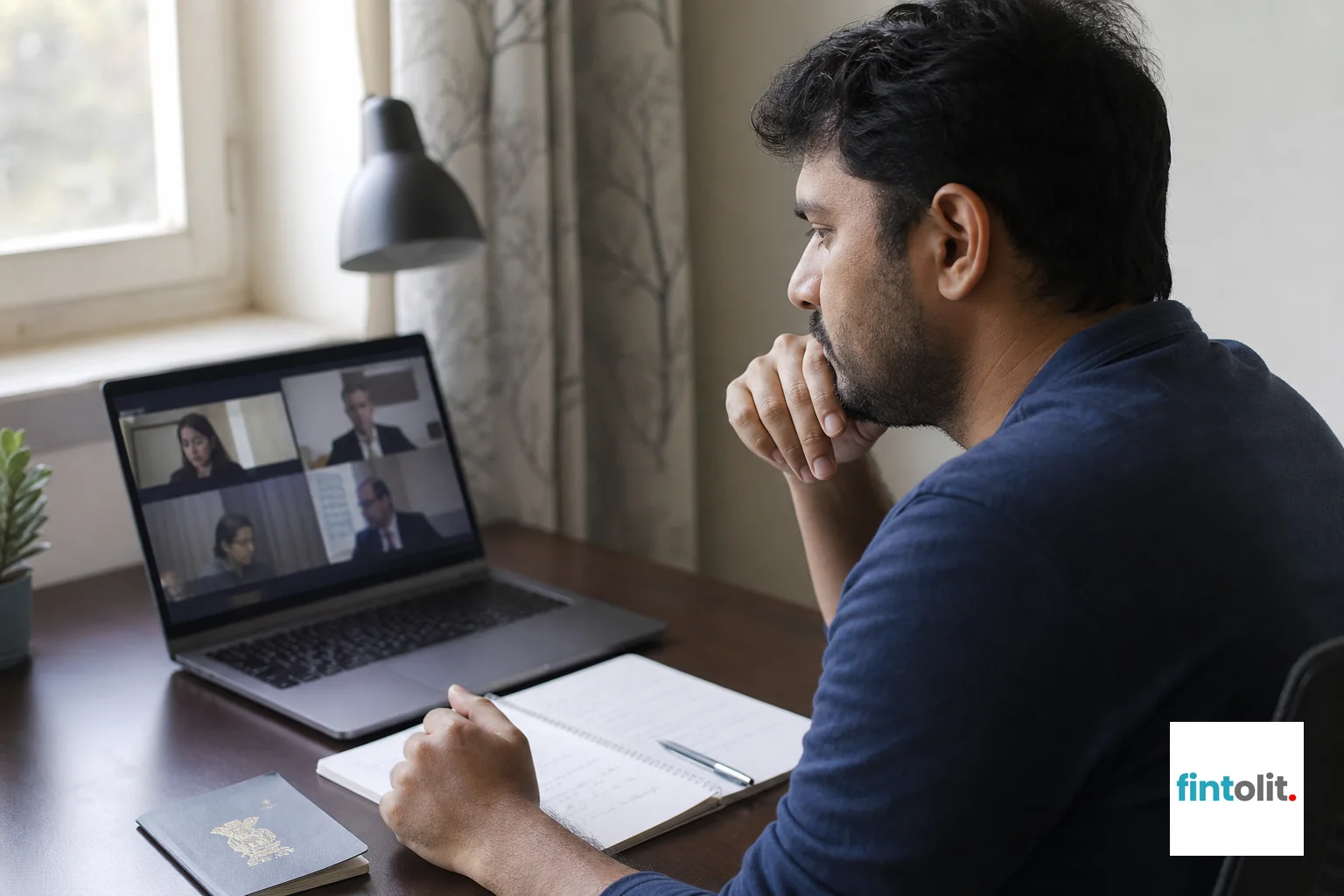
You join through a link shared by your lawyer or the court registry, usually on a government-approved video conferencing platform. Before the hearing, your identity gets verified, either by showing a passport or OCI card on camera, or by your lawyer confirming it to the bench.
Set up a quiet room, a stable internet connection, and test your camera and microphone the day before. Courts have little patience for repeated technical glitches, and a dropped call mid-hearing can push your matter to another date.
What Cases Still Need You to Show Up in Person?
Serious criminal proceedings, particularly cross-examination of witnesses and the framing of charges, generally still require physical presence in court. Judges want to observe demeanour directly in these moments, and the law hasn't fully shifted that expectation online yet.
Property registration is another sticking point. Even when your underlying court case runs entirely online, executing and registering a sale deed usually needs either your physical presence at the sub-registrar's office or a properly executed Power of Attorney that lets someone act on your behalf in India. Get the POA wrong, and the registration can stall for months.
How Does a Case Manager Prepare an NRI Client for a Video Hearing?
A case manager's job is to make sure nothing falls through the cracks between your time zone and the courtroom clock. That means confirming the hearing date, translating it into your local time, and sending reminders well ahead.
Need a Lawyer for clarity on your case?
They also collect and organize your documents, brief you on what the judge might ask, and stay in touch with your lawyer so nothing gets lost in translation between countries. At Fintolit, this is exactly what a dedicated case manager does throughout your case, not just before one hearing.

What Legal Documents Should an NRI Keep Ready Before the Hearing?
Keep your passport and OCI card, any Power of Attorney you've executed, prior court orders in your case, and copies of the property or family documents relevant to your dispute. Your lawyer will tell you which specific papers the bench wants to see, but having these ready in advance saves scrambling on hearing day.
NRI Property and Inheritance Disputes: A Common Scenario
Picture an NRI in London whose late father's ancestral property in Delhi is being contested by a sibling. Flying back for every hearing isn't realistic, financially or professionally. With a video conferencing application filed by their lawyer, they attend hearings from their living room while a local case manager tracks filings and coordinates document collection on the ground.
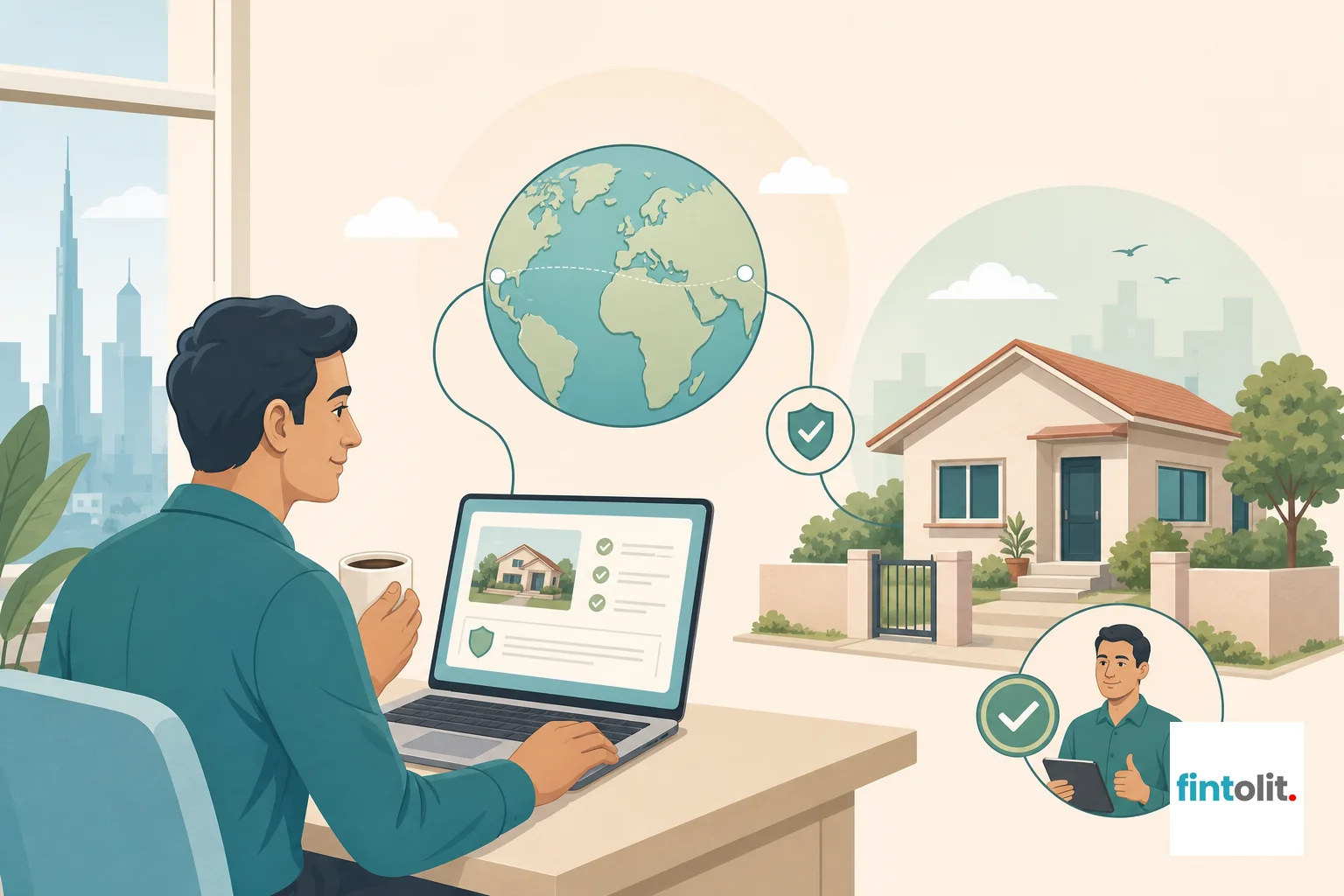
This setup is common across online legal consultation in Delhi and Gurugram, where NRI clients form a significant part of property and inheritance caseloads. If you're dealing with something similar, understanding how inheritance and will disputes typically unfold in Delhi courts helps you know what to expect before the first hearing even happens.
Online Lawyer vs In-Person Lawyer for NRIs: Which Should You Choose?
The right setup depends on what stage your matter is at. Early consultation, document review and most hearings work fine online. Registration, certain criminal steps, and sensitive family conversations sometimes go better in person, or with a lawyer who visits your family in India while you join remotely.
| Scenario | Online Consultation | Lawyer at Home | Virtual Court Appearance |
|---|---|---|---|
| Best for | Case assessment, strategy calls | Family members in India needing in-person handling | Civil, family, property hearings |
| NRI convenience | High, no travel needed | Medium, someone in India must be present | High, join from your time zone |
| Suits case type | All case types | Sensitive family disputes, document signing | Civil, family, property; limited for criminal trial |
| Fintolit offering | 60-minute session with verified lawyer | Lawyer visits your home/family in India | Coordinated by case manager and lawyer |
Many NRI clients use a mix of both, an online consultation to plan strategy, and someone available on the ground when documents need signing or family members need in-person support.
Frequently Asked Questions
Can NRI give evidence via video call in Indian courts?
Yes, courts increasingly record NRI witness testimony through video conferencing, particularly in civil and family matters, though the judge decides on a case-by-case basis whether the evidence needs to be given in person.
Is online legal consultation valid for NRIs before hiring a lawyer?
Yes, an online legal consultation is a normal first step for NRIs assessing their case, checking documents, and deciding on strategy before formally engaging a lawyer to represent them in court.
What happens if internet fails during a virtual hearing?
Most courts allow a short adjournment or reconnection attempt if the connection drops, but repeated failures can push your hearing to a later date, so a stable backup connection matters.
Do I need a lawyer in Delhi even if I live abroad?
Yes, you need a lawyer licensed to appear before the relevant Indian court, and it helps if they're familiar with NRI cases and comfortable coordinating hearings across time zones.
Attending an India court hearing online removes one of the biggest barriers NRIs face: the cost and disruption of flying back for every date. What actually determines whether it goes smoothly is preparation, the right documents, a lawyer who knows how to file for video appearance, and someone tracking your case while you're asleep on the other side of the world.
Need a Lawyer for clarity on your case?
Fintolit assigns a dedicated case manager to NRI clients so you're never guessing about hearing dates, missing paperwork, or wondering who's handling your file. If you're dealing with a property, inheritance or family dispute in India, book your consultation with a verified lawyer who can start assessing your case today. You can also chat with us on WhatsApp if you'd rather ask a quick question first.