
The single biggest difference between a genuinely useful legal consultation and a vague, frustrating one usually comes down to one thing: preparation. A lawyer can only give you precise, actionable advice based on what you actually bring to the conversation. Walking into your first online consultation with the right documents organised means you spend your time getting real answers, not scrambling to describe paperwork you can't quite remember the details of. Here's exactly what to gather, based on the kind of matter you're dealing with.
Why Document Preparation Matters Even More for Online Consultations
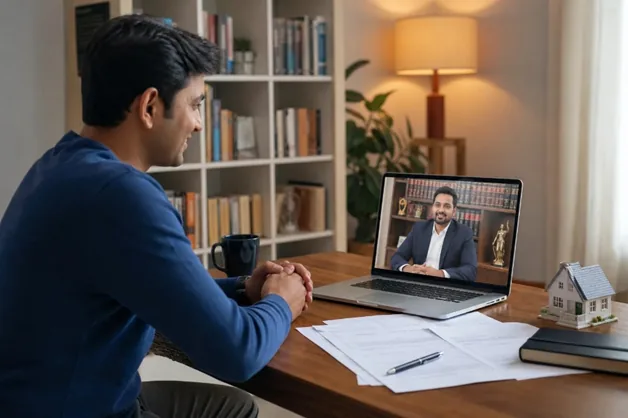
In an in-person meeting, it's sometimes possible to bring a stack of loose papers and sort through them together. In a video consultation, that's far less efficient, your lawyer can't physically flip through a folder with you. Having clear, organised digital copies ready to share means:
- Your lawyer can review the actual facts instead of relying on your recollection
- You don't burn through your consultation time describing documents instead of discussing strategy
- Any advice given is grounded in what your paperwork actually says, not an approximate summary
- Your written consultation summary afterward will be far more accurate and useful
The Universal Documents Everyone Should Have Ready
Regardless of what your legal issue involves, these basics apply across almost every type of matter:
- Government-issued ID proof (Aadhaar, PAN, passport), needed to confirm identity and, in many matters, to support filings later
- A simple written timeline of events, dates, what happened, and who was involved; this single document often does more to speed up a consultation than anything else
- All written correspondence related to the issue, emails, WhatsApp messages, letters, or notices exchanged with the other party
- Any legal notices, complaints, or court documents already issued or received
- Proof of any payments made or received that are relevant to the dispute
Documents by Case Type
Consumer Disputes (E-commerce, Defective Products, Services)
- Purchase invoice or receipt
- Warranty card or service agreement
- Photos or videos of the defective product/issue
- All customer support correspondence (tickets, emails, chat logs)
- Any refund or replacement denial communication
Family Law (Divorce, Maintenance, Custody)
- Marriage certificate (or proof of marriage if a certificate isn't available)
- Income proof and bank statements for both spouses, where available
- Property and asset documentation relevant to the marriage
- Communication records relevant to the dispute (especially for cruelty, desertion, or custody matters)
- Children's birth certificates, if custody or maintenance for children is involved
- Any prior court orders, if proceedings have already begun
Real Estate and Builder Disputes
- Sale agreement or allotment letter
- Payment receipts and loan/bank statements showing amounts paid
- Builder's possession letter or any communication about delays
- RERA registration details of the project, if available
- Any brochures or written promises about possession dates or amenities
Employment Disputes
- Offer letter and appointment letter
- Employment contract or HR policy documents
- Termination letter or resignation correspondence, if applicable
- Salary slips and proof of dues owed
- Relevant email or written communication with the employer
Insurance Claim Disputes
- Policy document and proposal form
- Claim form submitted
- Insurer's written rejection or repudiation letter
- Medical records and bills, for health insurance matters
- All correspondence with the insurer's grievance cell
Property and Inheritance Matters
- Title deeds and property registration documents
- Will, if one exists, or succession-related documents
- Property tax receipts
- Any existing family settlement documents or prior agreements
Matters Involving an FIR or Police Complaint
- Copy of the FIR, if one has been filed
- Any notices received from police or court
- Medical reports, if relevant to the complaint
- Witness details or statements already given, if available
How to Organise Your Documents Before the Call
- Scan or photograph everything clearly, blurry or partial images make it hard for a lawyer to assess details accurately
- Group documents by topic, not just dump them all into one folder, separate, clearly labelled files save real time
- Put them in chronological order where your dispute involves a sequence of events, this alone often clarifies the strength of your case
- Use a single shared folder or link (cloud storage works well) rather than sending files piecemeal across multiple messages
- Write a one-paragraph summary at the top of your shared documents, briefly explaining what you're hoping to get out of the consultation
What If You Don't Have Every Document Yet?
Don't delay booking a consultation just because your paperwork isn't complete. A good lawyer can:
Need a Lawyer for clarity on your case?
- Tell you exactly which missing documents matter most for your specific situation
- Advise you on how to obtain documents you don't currently have (such as requesting copies from a builder, insurer, or employer)
- Begin assessing your case with what you do have, while flagging gaps to fill before the next stage
Waiting for "perfect" paperwork often costs more in time than it saves, especially in matters with limitation periods or urgent deadlines.
A Quick Pre-Consultation Checklist
- ID proof ready
- Written timeline of events prepared
- All relevant correspondence collected and organised
- Case-specific documents gathered (see categories above)
- Documents grouped, labelled, and shared via a single link or folder
- Your specific questions and desired outcome written down
How Fintolit Makes This Easy
Getting your documents organised is exactly the kind of groundwork that makes the rest of your case move faster, and Fintolit is built to support you through it rather than leave you to figure it out alone.
When you book a consultation with Fintolit, here's what's included:
- A dedicated case manager who personally handles your case and can guide you on exactly which documents matter most for your specific situation, before your consultation even begins
- A full 60-minute consultation with a senior specialist lawyer, no meter running, no per-minute billing, just a complete, unhurried 60 minutes focused entirely on your case
- 15 days of direct lawyer access, reach out anytime within this window with follow-up questions, including about additional documents that come up after the call
- A written consultation summary and legal roadmap, including clear guidance on any further documentation needed for the next steps
- 24x7 case manager support, so you're never left wondering what to prepare or send next
- Fixed, transparent pricing, no hidden charges, no surprise billing, complete clarity from day one
- End-to-end support, beyond the consultation, Fintolit handles everything your lawyer recommends: drafting, documentation, filing, and representation, building directly on the groundwork you've prepared
You bring whatever documents you have; Fintolit's team helps you fill the gaps and builds the strongest possible case from there.
To get started, visit www.fintolit.com and book your consultation.
Final Thoughts
A little preparation before your first online legal consultation goes a long way. The goal isn't to arrive with a perfect, complete file, it's to give your lawyer enough real, organised information to give you precise, useful guidance rather than generic advice. Start with the universal basics, add whatever applies to your specific situation, and don't let incomplete paperwork stop you from getting the conversation started.
Frequently Asked Questions
Q1: What if I'm missing a key document, like an original agreement? Mention this upfront, a lawyer can advise on how to obtain a copy or work around the gap, and your consultation can still be highly useful with the documents you do have.
Q2: Should I send documents before the call or just have them ready to share during it? Sending them in advance, where possible, helps your lawyer review the details before the conversation starts, making the actual consultation time more focused and efficient.
Q3: Do I need to organise documents differently for an online consultation versus an in-person one? Yes, to some extent, digital clarity matters more online. Clear scans, labelled files, and a single shared folder make a real difference when a lawyer can't physically flip through papers with you.
Q4: Is it okay to bring screenshots instead of original documents? For an initial consultation, clear screenshots or photos are generally fine to assess your situation. Original documents typically become necessary at later stages, such as filing.
Q5: How long should my written timeline of events be? Keep it concise, a simple, dated, chronological list of key events is far more useful than a long narrative. Your lawyer can ask follow-up questions for additional detail during the consultation itself.
You're just getting to the good part.