
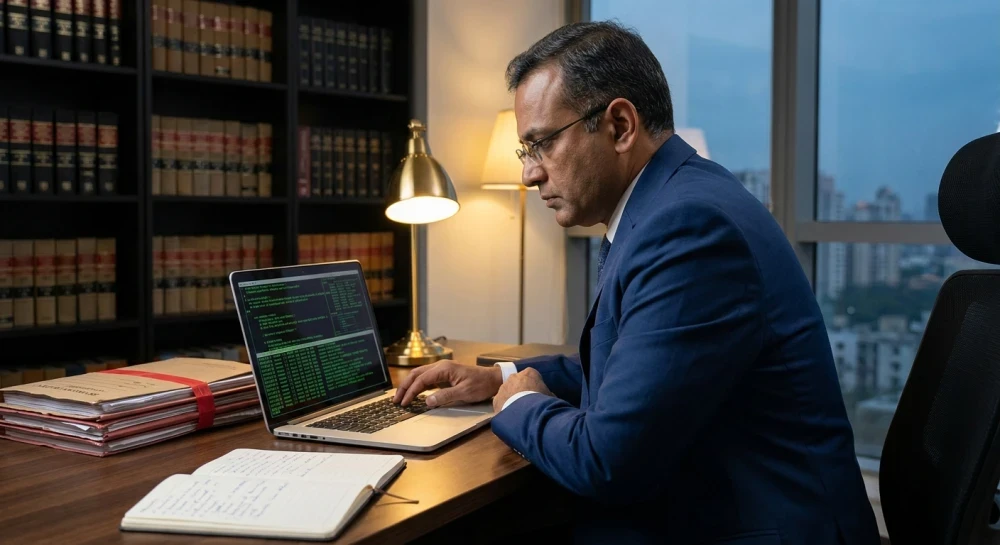
Imagine waking up one fine morning and boom; ₹2.4 lakh has just vanished from your bank account while you were fast asleep. Or maybe some creep is sharing edited photos of you in random WhatsApp groups. Or perhaps your work email got hacked and now some dodgy fraudster is running scams on your clients using your name. You totally know something shady and illegal has gone down, but you're just standing there completely clueless about what to do next, who to even call, or whether the cops are actually going to bother taking your complaint seriously.
This is exactly where a cybercrime lawyer steps in. In India, cybercrime cases are rising sharply. According to the National Crime Records Bureau (NCRB), cybercrime registrations have grown significantly year on year, with online financial fraud, identity theft, and digital harassment among the most reported categories. Yet most victims still do not know how the legal process works or that a specialist lawyer can make the difference between recovering their losses and watching the case go cold.
This guide walks you through every step a cybercrime lawyer takes when building your case in India; from the first consultation to the final judgment. Whether you are in Delhi, Noida, Mumbai, or anywhere else in the country, understanding this process will help you act faster, prepare better, and protect your rights.
What Does a Cybercrime Lawyer Actually Do?
A cybercrime lawyer is a legal professional who specialises in cases involving digital crimes and violations of the Information Technology Act, 2000 (IT Act). Unlike a general criminal lawyer, a cybercrime lawyer understands both the legal framework and the technical nature of digital evidence, which is what makes them so valuable in these cases.
Types of Cases a Cybercrime Lawyer Handles
- Online financial fraud, UPI scams, phishing, fake investment schemes, OTP fraud
- Identity theft, misuse of Aadhaar, PAN, or personal data to open accounts or take loans
- Hacking and unauthorised access, breaking into email, social media, or business systems
- Digital harassment and cyberstalking, repeated threatening messages, doxxing, online abuse
- Sextortion and morphed images, non-consensual sharing of intimate content or doctored photos
- Data theft and corporate espionage, stealing confidential business data or trade secrets
- Defamation through digital platforms, false posts, fake reviews, or damaging content online
Why Cybercrime Cases Are Different
Cybercrime cases are not like ordinary disputes. The evidence is digital, which means it can be deleted, altered, or lost within hours. The accused may be in a different city, state, or even country. Jurisdiction becomes complicated. And most police stations, outside of dedicated cyber cells, are not fully equipped to handle these cases without legal pressure and guidance.
A cybercrime lawyer bridges this gap. They know which sections of the IT Act and the Indian Penal Code (IPC) apply to your situation, how to preserve digital evidence correctly, and how to push the investigation forward when it stalls. Acting quickly is critical, and having the right legal help from day one can determine the outcome of your case.
1. Your First Consultation: What to Bring and What to Expect
The first meeting with a cybercrime lawyer is not just an introduction, it is a case assessment. The lawyer will ask detailed questions about what happened, when it happened, and what evidence you currently have. This conversation shapes the entire legal strategy that follows.
What to Gather Before Your Consultation
Coming prepared makes a significant difference. Here is what you should collect before speaking to a cybercrime lawyer:
- Screenshots of all suspicious messages, emails, social media posts, or transactions
- Bank statements showing fraudulent transactions, with dates and amounts
- Email headers from phishing or fraud emails (not just the body, the full header)
- Chat logs from WhatsApp, Telegram, or any other platform where the crime occurred
- URLs or links to fake websites, fraudulent profiles, or harmful content
- Any communication you have already had with the accused or with the platform
- Your device, do not factory reset or wipe it before the lawyer advises you to
What the Lawyer Assesses in This Meeting
Your cybercrime lawyer will evaluate the strength of your case based on the evidence available, the applicable legal sections, and the likelihood of identifying the accused. They will also advise you on whether to pursue a criminal complaint, a civil remedy, or both, and what realistic outcomes look like for your specific situation.
Need a Lawyer for clarity on your case?
At Fintolit, you can book an online consultation with a verified, senior cybercrime lawyer from anywhere in India. You do not need to travel to a law office or navigate a confusing intake process. Simply describe your problem, get matched with the right expert, and receive a clear resolution plan. If you prefer a face-to-face conversation, the Lawyer at Home service brings a qualified lawyer directly to you. Book your consultation today and take the first step with confidence.
For a broader understanding of what to expect from a legal consultation, our guide on Online Legal Consultation Delhi: The Complete Guide is a helpful starting point.
2. Filing an FIR Under the IT Act: How a Cybercrime Lawyer Guides You
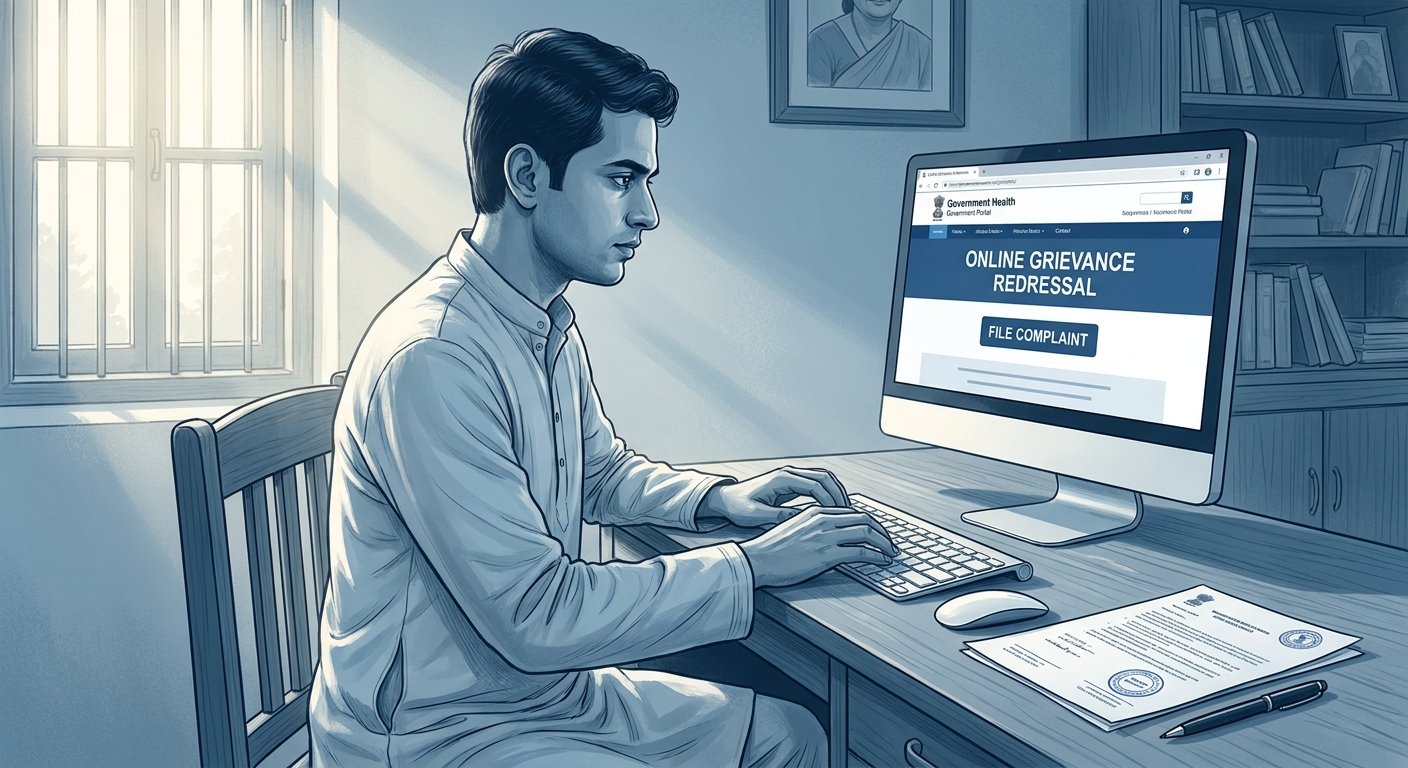
One of the most important, and most misunderstood, steps in any cybercrime case is filing the First Information Report (FIR). Many victims either delay this step or file it incorrectly, which weakens their case from the start. A cybercrime lawyer ensures this step is done right.
Where to File a Cybercrime Complaint in India
You have two main options for filing a cybercrime complaint in India:
- National Cybercrime Reporting Portal (cybercrime.gov.in), This is the government's dedicated online platform for reporting cybercrimes, especially financial fraud and crimes against women and children. You can file a complaint from anywhere in India without visiting a police station.
- Local Police Station or Cyber Cell, For serious offences, your cybercrime lawyer may recommend filing directly at the nearest police station or the state's dedicated cyber cell. Major cities like Delhi, Mumbai, Bengaluru, and Hyderabad have dedicated cyber crime units.
Key Sections of the IT Act Applied in Cybercrime Cases
Your cybercrime lawyer will identify the correct legal sections to cite in your complaint. The most commonly applied provisions include:
- Section 66, Computer-related offences (hacking, data theft)
- Section 66C, Identity theft using electronic signatures or passwords
- Section 66D, Cheating by impersonation using a computer resource
- Section 67, Publishing obscene material in electronic form
- Section 72, Breach of confidentiality and privacy
In addition to the IT Act, your lawyer may also invoke relevant sections of the Indian Penal Code (IPC), such as Section 420 (cheating), Section 384 (extortion), or Section 499 (defamation), depending on the nature of the crime.
How a Cybercrime Lawyer Drafts Your Complaint
The way a complaint is written matters enormously. A poorly drafted FIR can lead to the wrong sections being applied, a weak investigation, or even the case being dismissed. Your cybercrime lawyer will draft the complaint with precise legal language, cite the correct sections, and include all relevant evidence references, giving the police and the court a clear, actionable picture of what happened.
Common mistakes people make when filing without legal help include: filing under the wrong section, omitting key evidence, not mentioning the financial loss amount, or failing to request specific investigative actions like IP tracing or account freezing.
3. Evidence Collection and Preservation: The Foundation of Your Case
Digital evidence is the backbone of every cybercrime case, and it is also the most fragile. A message can be deleted. An account can be deactivated. Server logs are overwritten. A cybercrime lawyer knows that the window for preserving evidence is often very short, and they act accordingly.
Types of Evidence in Cybercrime Cases
- Device forensics, data extracted from your phone, laptop, or tablet by a certified forensic expert
- IP address logs, records that can help trace the location of the accused
- Bank and payment records, transaction histories, UPI logs, and account statements
- Social media data, posts, messages, and account activity from platforms like Instagram, Facebook, or Telegram
- Email metadata, full headers that reveal the origin of a phishing or fraud email
- Call records, obtained through the telecom provider with proper legal authority
The Section 65B Certificate: Why It Matters
Under the Indian Evidence Act, digital evidence must be accompanied by a Section 65B certificate to be admissible in court. This is a formal certification that the electronic record is authentic and has not been tampered with. Your cybercrime lawyer will ensure this certificate is obtained correctly, without it, even strong digital evidence can be challenged and excluded.
Need a Lawyer for clarity on your case?
What NOT to Do After a Cybercrime
Many victims accidentally destroy evidence by trying to fix the problem themselves. Here is what to avoid:
- Do not delete messages, emails, or accounts, even if they are distressing
- Do not factory reset your phone or computer
- Do not transfer money to "recover" funds at the request of anyone online
- Do not confront the accused directly on social media, this can alert them to delete evidence
- Do not wait more than 24, 48 hours before seeking legal help
If you are unsure whether you have enough evidence to proceed, our article on When Free Legal Advice Isn't Enough: 8 Situations explains when professional legal guidance becomes essential.
4. Investigation Phase: Working With Police and Cyber Cells
Once the FIR is filed, the investigation begins, but this phase can be slow and frustrating without active legal support. A cybercrime lawyer plays a crucial role in keeping the investigation on track.
How the Investigation Process Works
After your complaint is registered, the police or cyber cell will begin gathering evidence. This typically involves:
- Sending legal notices to banks, payment platforms, and telecom providers to freeze accounts or obtain records
- Requesting data from social media platforms and email providers (often through formal legal channels or Mutual Legal Assistance Treaties for international cases)
- Tracing IP addresses and device identifiers to locate the accused
- Recording statements from the victim and witnesses
How a Cybercrime Lawyer Keeps the Investigation Moving
Police stations handle hundreds of cases at once. Without legal pressure, cybercrime complaints, especially those involving smaller financial losses, can sit unattended for weeks. Your cybercrime lawyer can file follow-up applications, approach the Superintendent of Police if the investigation stalls, or even file a petition before the High Court to compel action. They also liaise directly with cyber cells, banks, and digital platforms to accelerate data requests.
In cities like Delhi and Noida, dedicated cyber crime units are better equipped than general police stations, but even there, having a lawyer who knows the system makes a measurable difference in how quickly your case progresses.
5. Building the Legal Strategy: From Complaint to Courtroom

Once the investigation has gathered sufficient evidence, your cybercrime lawyer begins constructing the formal legal strategy. This is where the case transitions from a police matter to a court proceeding, and the choices made here shape the final outcome.
Criminal vs. Civil Remedies: Which Route Is Right for You?
Many cybercrime victims do not realise they have two parallel legal paths available:
- Criminal route, Filing an FIR and pursuing prosecution under the IT Act and IPC. The goal is to punish the accused with imprisonment and/or fines. This is the most common path for fraud, hacking, and harassment cases.
- Civil route, Filing a civil suit to recover financial losses, seek damages, or obtain an injunction to stop harmful content. This is particularly useful when the accused is a business or when financial recovery is the primary goal.
In many cases, your cybercrime lawyer will recommend pursuing both simultaneously, using the criminal case to apply pressure while the civil suit seeks financial compensation.
Interim Relief: Acting Before the Trial Begins
One of the most powerful tools a cybercrime lawyer has is the ability to seek interim relief, legal orders that take effect immediately, before the full trial concludes. These can include:
- Account freezing orders, preventing the accused from withdrawing or transferring funds
- Injunctions, court orders to remove harmful content, stop harassment, or prevent further damage
- Takedown orders, directing platforms to remove defamatory posts, morphed images, or fraudulent profiles
These interim measures can provide immediate relief while the longer legal process unfolds, which is especially important in cases involving ongoing harassment or rapidly disappearing funds.
Need a Lawyer for clarity on your case?
What If the Accused Is in Another State or Country?
Cross-jurisdictional cybercrime is increasingly common in India. If the accused is in another state, your cybercrime lawyer can coordinate with the relevant state's cyber cell and request transfer of the case or joint investigation. For international cases, the process involves Mutual Legal Assistance Treaties (MLATs) and coordination with agencies like Interpol, a complex process that requires experienced legal guidance.
Understanding the full cost and scope of legal services involved is also important. Our guide on Legal Documentation Cost in India: Why Prices Differ gives useful context on how legal fees are structured in India.
6. Realistic Timelines: What Each Stage of a Cybercrime Case Looks Like

One of the most common questions people ask a cybercrime lawyer is: "How long will this take?" The honest answer is that it depends on the complexity of the case, the cooperation of platforms and banks, and the workload of the courts. But here is a realistic breakdown of what each phase typically looks like.
Week 1, 2: Consultation, FIR Filing, and Evidence Preservation
This is the most critical window. Your cybercrime lawyer will assess your case, draft and file the FIR, and take immediate steps to preserve digital evidence. If funds are involved, they may also apply for an emergency account freeze. Acting within the first 48, 72 hours significantly improves the chances of tracing the accused and recovering assets.
Month 1, 3: Investigation and Cyber Cell Involvement
The police or cyber cell will begin their investigation. Your lawyer will follow up regularly, coordinate with banks and platforms, and ensure that evidence is being collected and preserved correctly. Bank freezes and data requests from platforms typically happen during this phase.
Month 3, 12: Chargesheet and Court Proceedings Begin
Once the investigation is complete, the police file a chargesheet in court. Your cybercrime lawyer will review the chargesheet, identify any gaps, and prepare the case for trial. If you are pursuing a civil suit simultaneously, hearings on interim relief may begin during this period.
Month 12 and Beyond: Trial, Hearings, and Judgment
Cybercrime trials in India, like most criminal cases, can take one to several years depending on the court's schedule, the number of witnesses, and whether the accused contests the charges. Your lawyer will represent you at every hearing, cross-examine witnesses, and present the digital evidence in a legally admissible format.
What Speeds Up or Slows Down a Cybercrime Case?
- Faster resolution: Strong digital evidence from the start, quick FIR filing, cooperative banks and platforms, accused located within India
- Slower resolution: Delayed FIR filing, evidence already deleted, accused in another country, overloaded cyber cells or courts
Throughout every stage, Fintolit assigns you a dedicated case manager who keeps you informed, coordinates between your lawyer and the relevant authorities, and ensures you are never left wondering what is happening with your case. You get clear updates at each milestone, no legal jargon, no confusion. Book now to get started with a cybercrime lawyer who will stay with you from filing to resolution.
If you are also dealing with related legal documentation needs as part of your case, our post on Legal Consultant vs. Lawyer: Which One Do You Need? can help you understand the right type of professional for each aspect of your situation.
Frequently Asked Questions About Hiring a Cybercrime Lawyer in India
Can I file a cybercrime complaint online without a lawyer?
Yes, you can file a complaint on the National Cybercrime Reporting Portal (cybercrime.gov.in) without a lawyer. However, filing without legal guidance often results in complaints being filed under the wrong sections, missing critical evidence references, or being dismissed for procedural errors. A cybercrime lawyer ensures your complaint is legally sound and maximises the chance of a successful investigation.
Need a Lawyer for clarity on your case?
What is the cost of hiring a cybercrime lawyer in India?
Legal fees vary depending on the complexity of the case, the lawyer's experience, and the city. Traditional law firms can be expensive and opaque about pricing. Fintolit offers fixed, transparent consultation fees so you know exactly what you are paying before you begin. Contact us for current pricing details, there are no hidden charges.
What if the fraudster is in another city or country?
Cross-jurisdictional cases are more complex but not impossible. A cybercrime lawyer can coordinate with cyber cells in other states, request inter-state investigation, and, for international cases, initiate the process of international legal cooperation through MLATs. The key is to act quickly before the accused moves or destroys evidence.
Can I recover money lost in online fraud?
Recovery is possible in some cases, particularly when the fraud is reported quickly and the funds can be traced and frozen before they are withdrawn. Your cybercrime lawyer can apply for an emergency account freeze through the bank and the cyber cell. Civil suits can also be filed to claim financial damages. The sooner you act, the higher the chance of recovery.
How long does a cybercrime case take in India?
Simple cases with strong evidence and a cooperative accused can be resolved in 6, 12 months. Complex cases involving multiple accused, international elements, or large financial fraud can take 2, 5 years. Your cybercrime lawyer will give you a realistic timeline based on the specifics of your case.
What if the police don't take my complaint seriously?
Unfortunately, this is a common experience, especially at general police stations that are not equipped for cybercrime. A cybercrime lawyer can escalate the matter to the Superintendent of Police, file a complaint before the Magistrate under Section 156(3) of the CrPC (directing the police to register an FIR), or approach the High Court if necessary. You are not powerless, you have legal options.
Is my consultation with a cybercrime lawyer confidential?
Yes, absolutely. All consultations with lawyers are protected by attorney-client privilege under Indian law. At Fintolit, confidentiality is a core commitment, your documents, personal information, and case details are handled with complete security and discretion. This is especially important in sensitive cases involving harassment, sextortion, or financial fraud.
Take the First Step Toward Justice Today
Cybercrime can feel isolating and overwhelming, but you do not have to navigate it alone. A qualified cybercrime lawyer can make the difference between a case that goes cold and one that delivers real justice. From filing the right FIR under the IT Act to preserving digital evidence, coordinating with cyber cells, and representing you in court, the right legal support changes everything.
Fintolit connects you with verified, senior cybercrime lawyers across India, including Delhi, Noida, and other major cities, through a simple, transparent, and confidential process. Whether you have been a victim of online fraud, identity theft, hacking, or digital harassment, our team is ready to help you understand your rights and build a strong case.
Do not wait for the evidence to disappear or the trail to go cold. The sooner you speak to a cybercrime lawyer, the stronger your case will be.
Book your consultation with a cybercrime lawyer on Fintolit today, or chat with us on WhatsApp if you have questions before you begin. Your first step toward justice starts here.
You're just getting to the good part.